
Sheet metal solutions
Commercial kitchen fabrication
Make stainless-steel panels, cabinets and covers with the required shape and finish. Compare cutting and forming around visible surfaces, corners and assembly access.
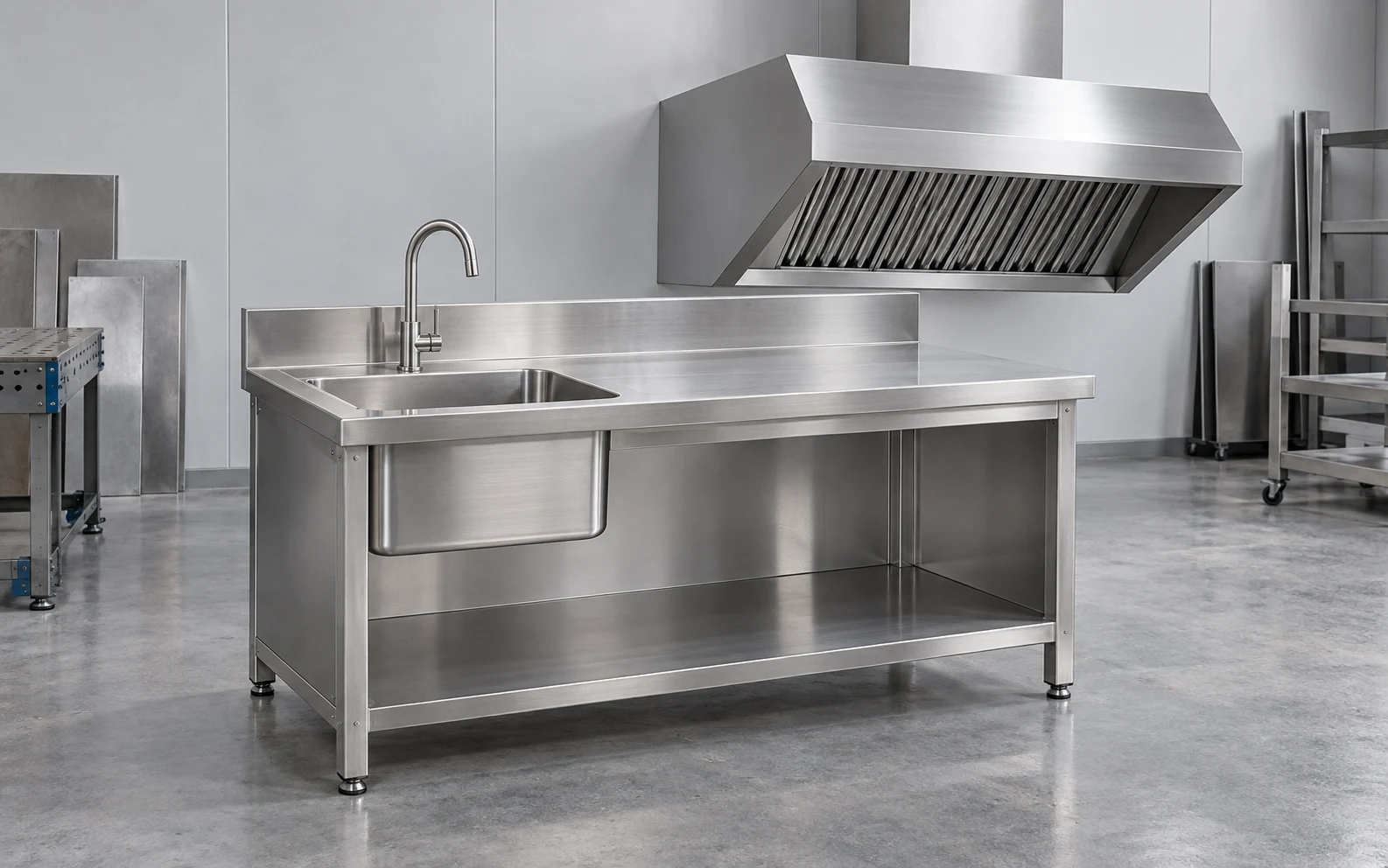
Start with the parts you make
Show which faces remain visible and how each part meets the next component. Finish and geometry belong in the same evaluation.
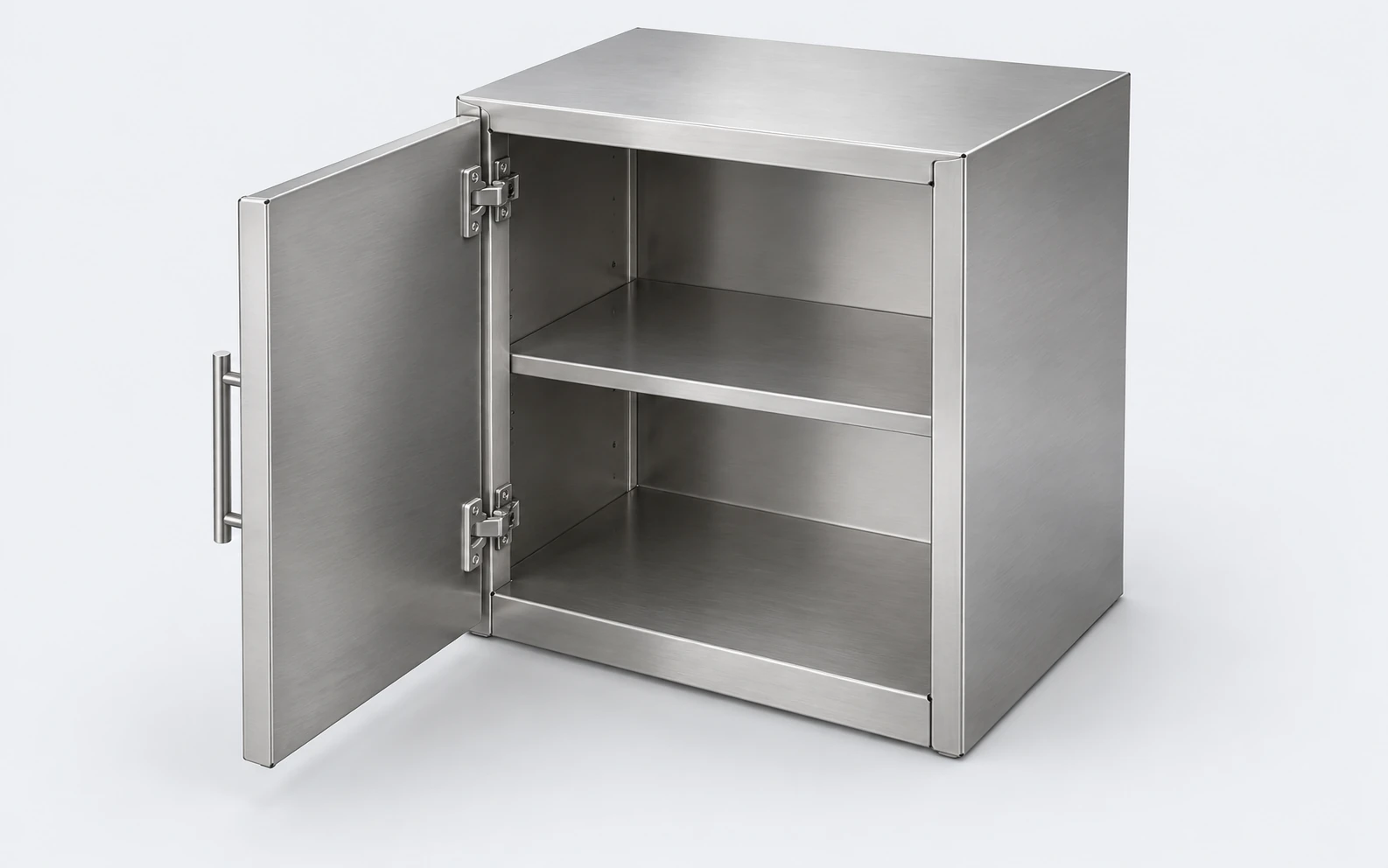
Cabinet bodies and doors
Identify return flanges, hinges, edge details and access for tooling around the finished enclosure.
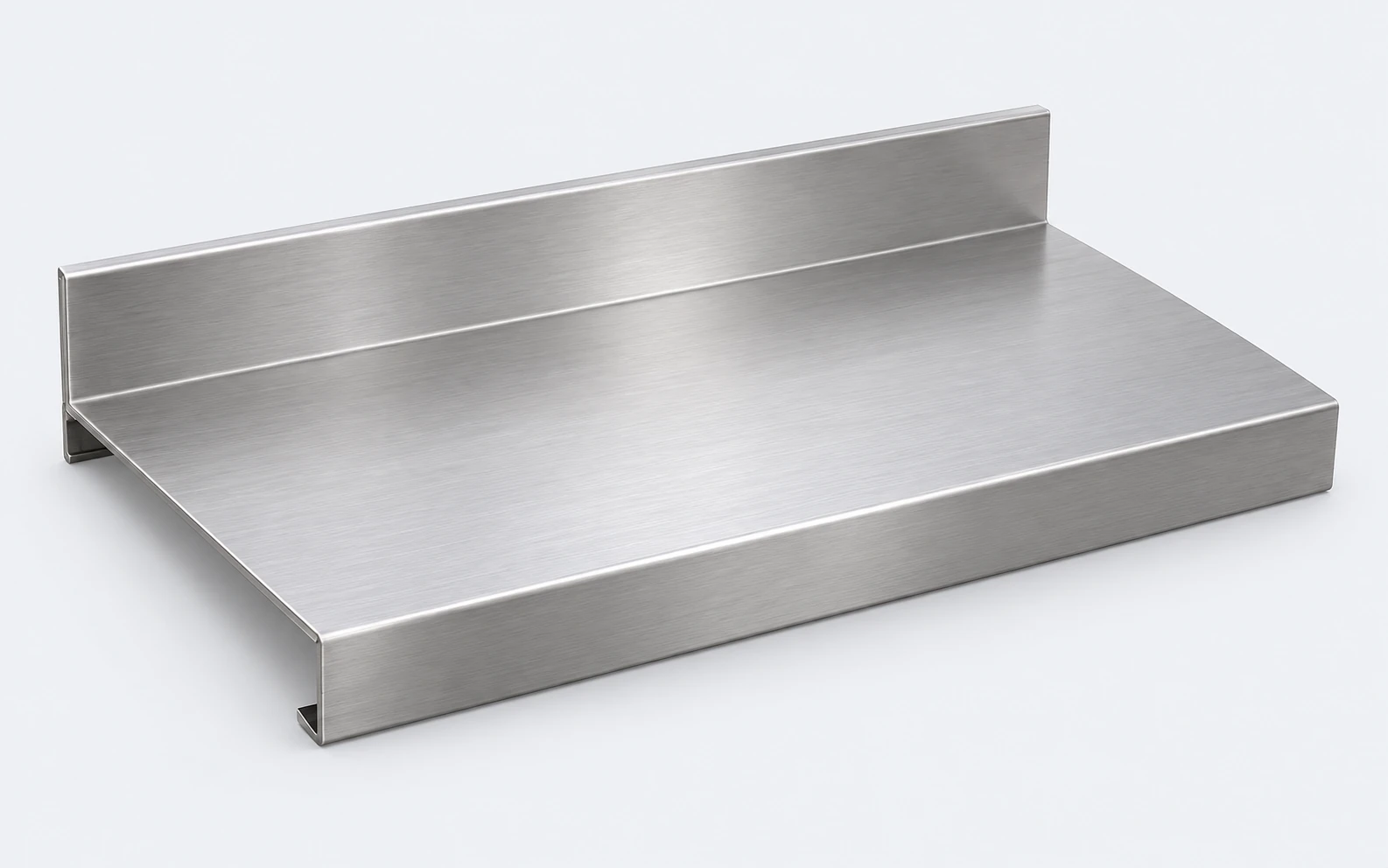
Work-surface edges
Define the required profile and corner appearance, the material finish and the way formed sections are joined.
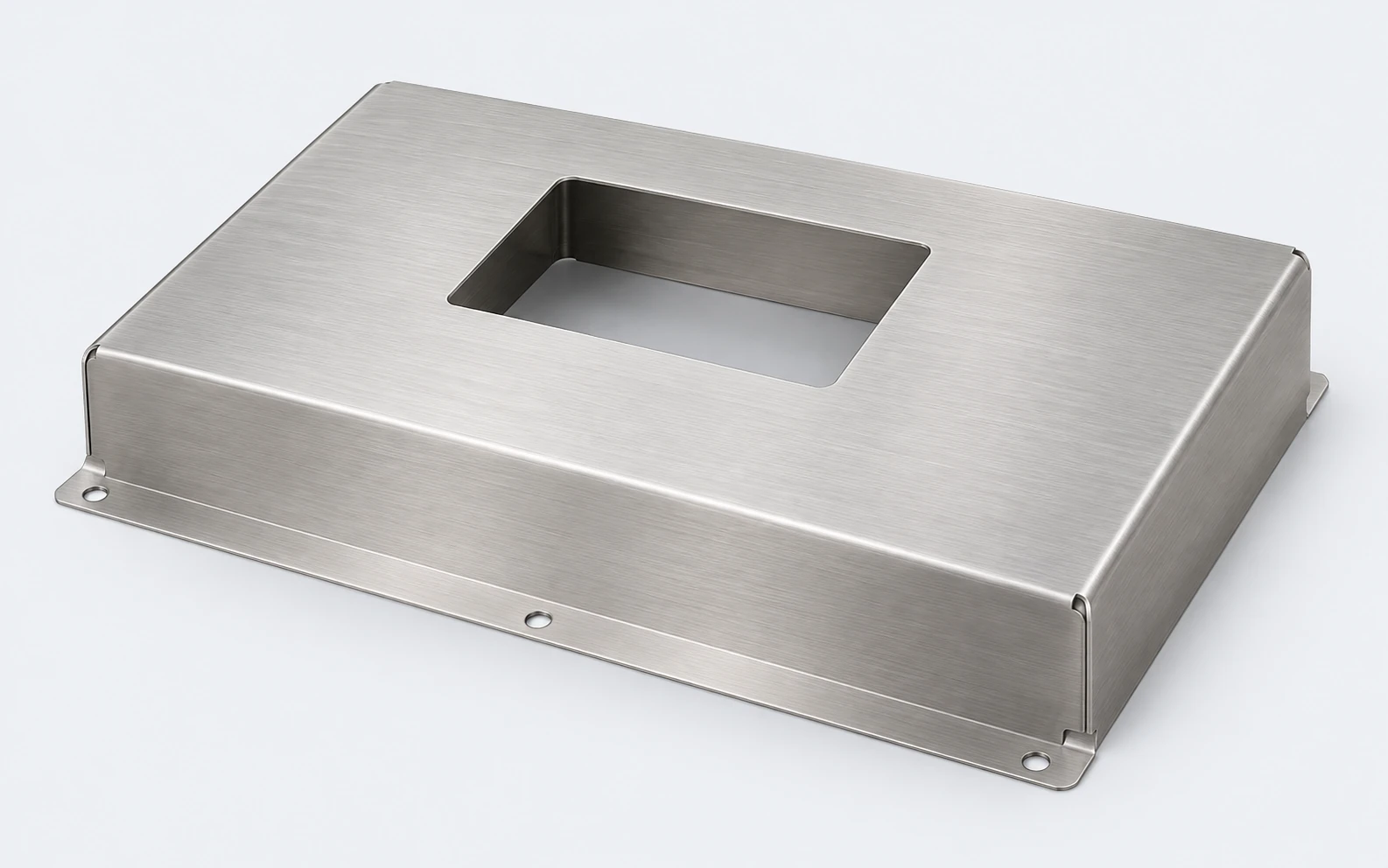
Equipment covers
Review openings, fastening points and the direction of the visible surface finish across adjoining parts.
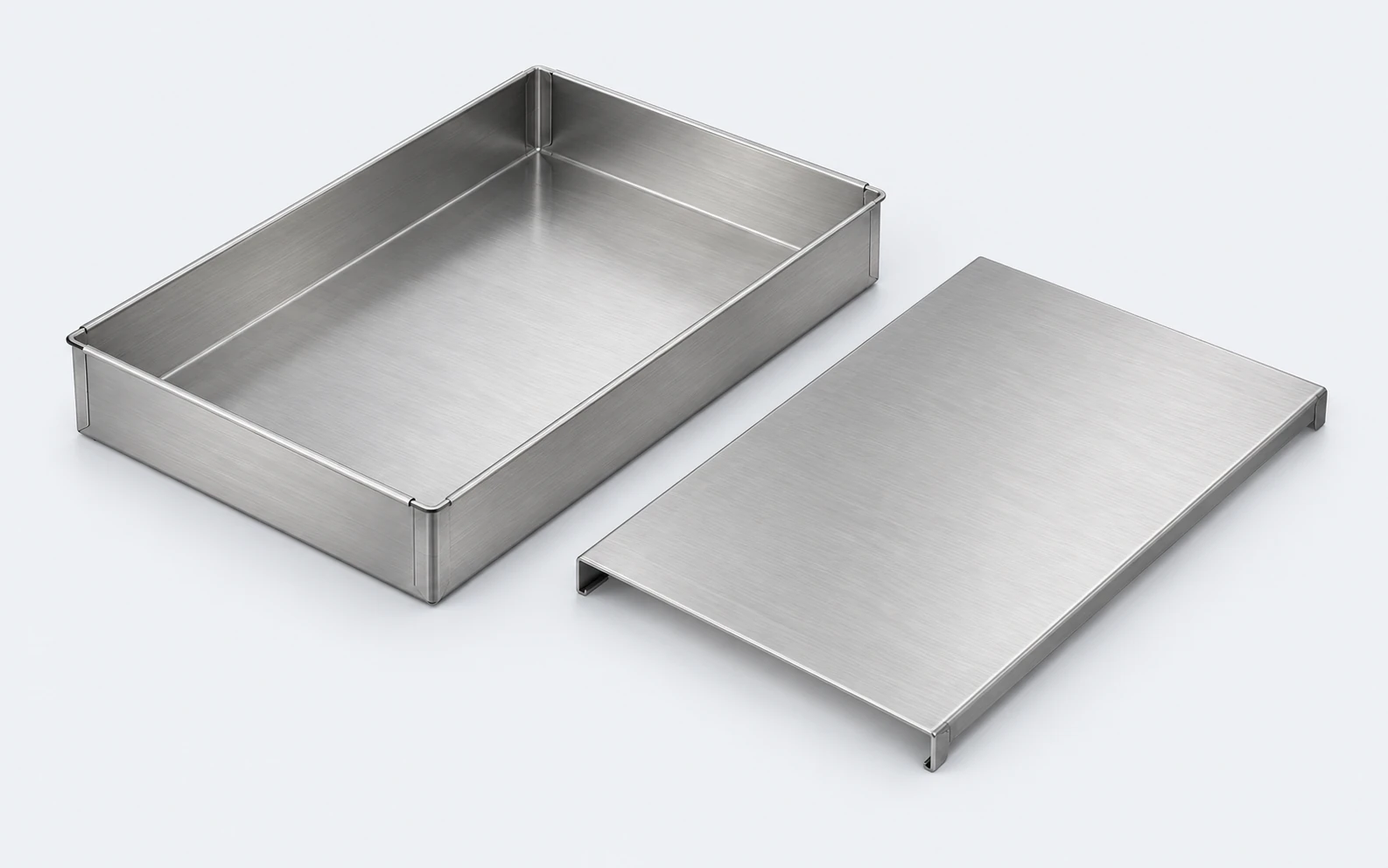
Trays and shelves
Check depth, corner clearance, edge folds and the loading and removal of the finished part.
Connect the part to the process
Protecting visible faces
Specify finish, protective film and contact-sensitive surfaces. Include handling and stacking as well as the forming operation.
Consistent corner appearance
The drawing should identify the required radius, edge shape and joined corner. Different appearance requirements can call for different process choices.
Mixing panel and bracket work
Large formed panels and small fittings may need different tooling and handling. Group the workload before comparing machine families.
Choose the equipment for each task
Cut the blank and openings, choose a forming process that accommodates the panel and finish, then assess welding, finishing and assembly. Consider V grooving only where the part design calls for it.
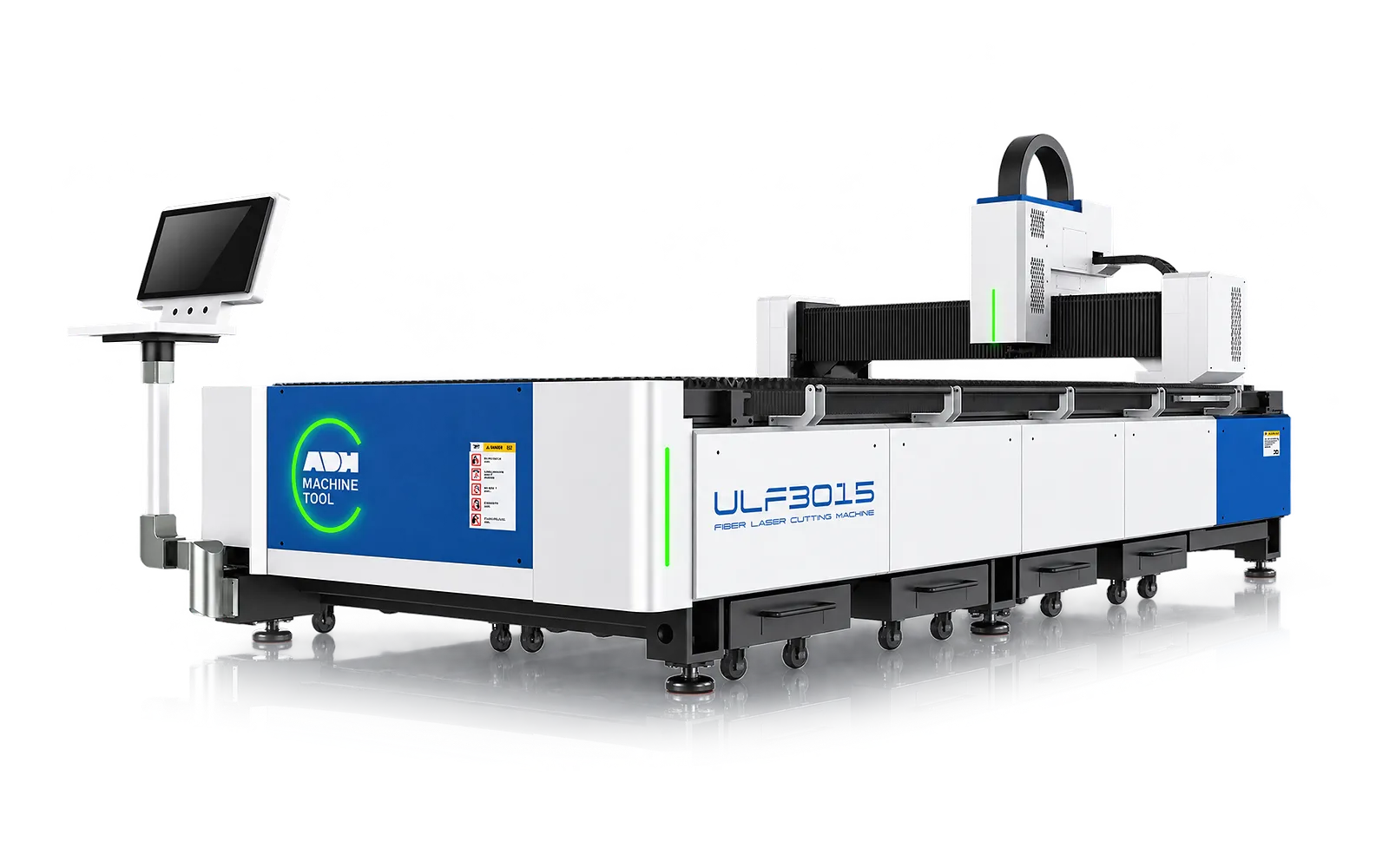
Cut stainless blanks and features
Match the laser setup to the material, finish and edge quality needed before forming or joining. Include small openings and visible edges in the sample.
Explore laser cutting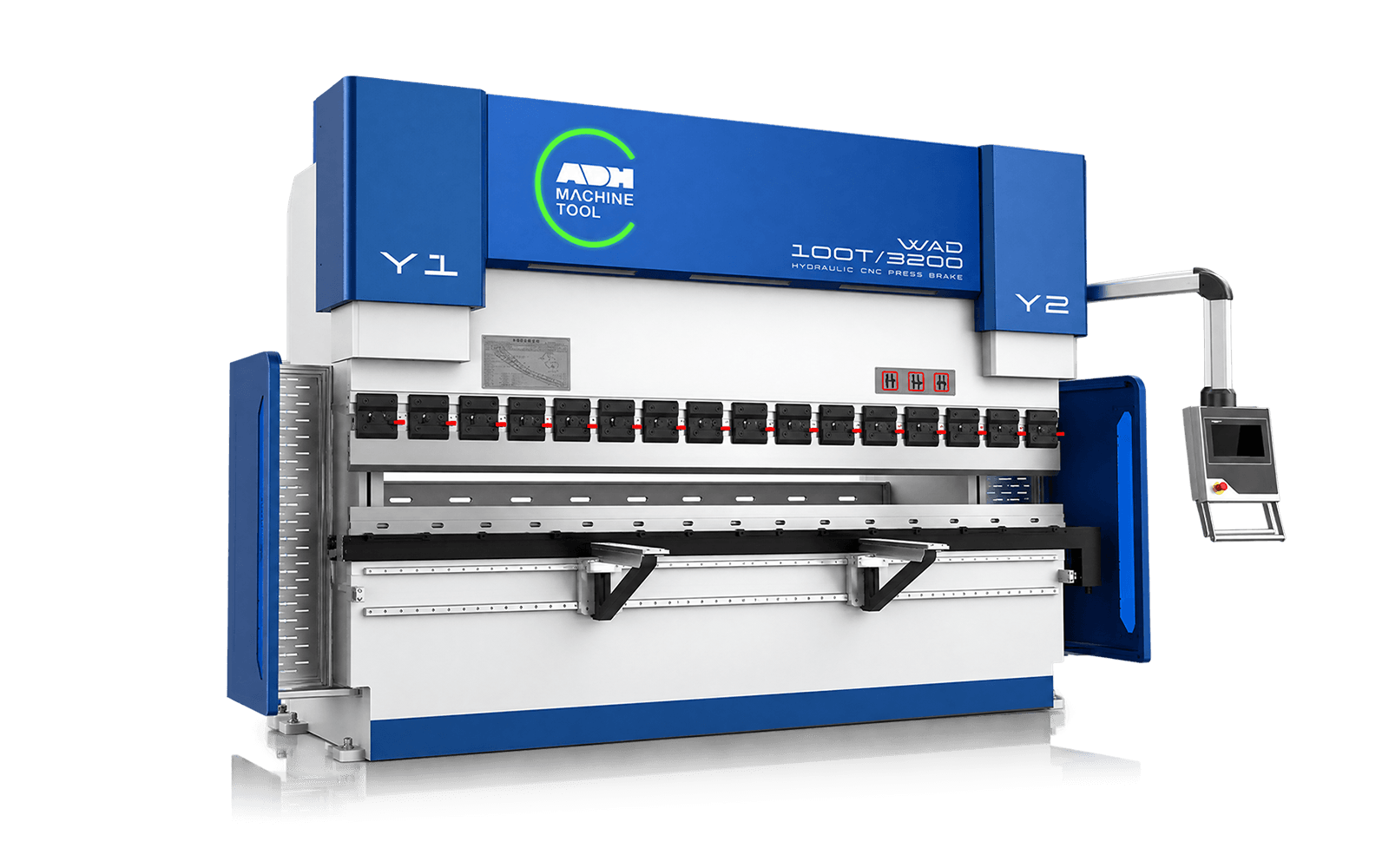
Bend varied profiles
Compare press brakes by the required tooling access, bend sequence, support and contact with visible faces.
Compare CNC press brakes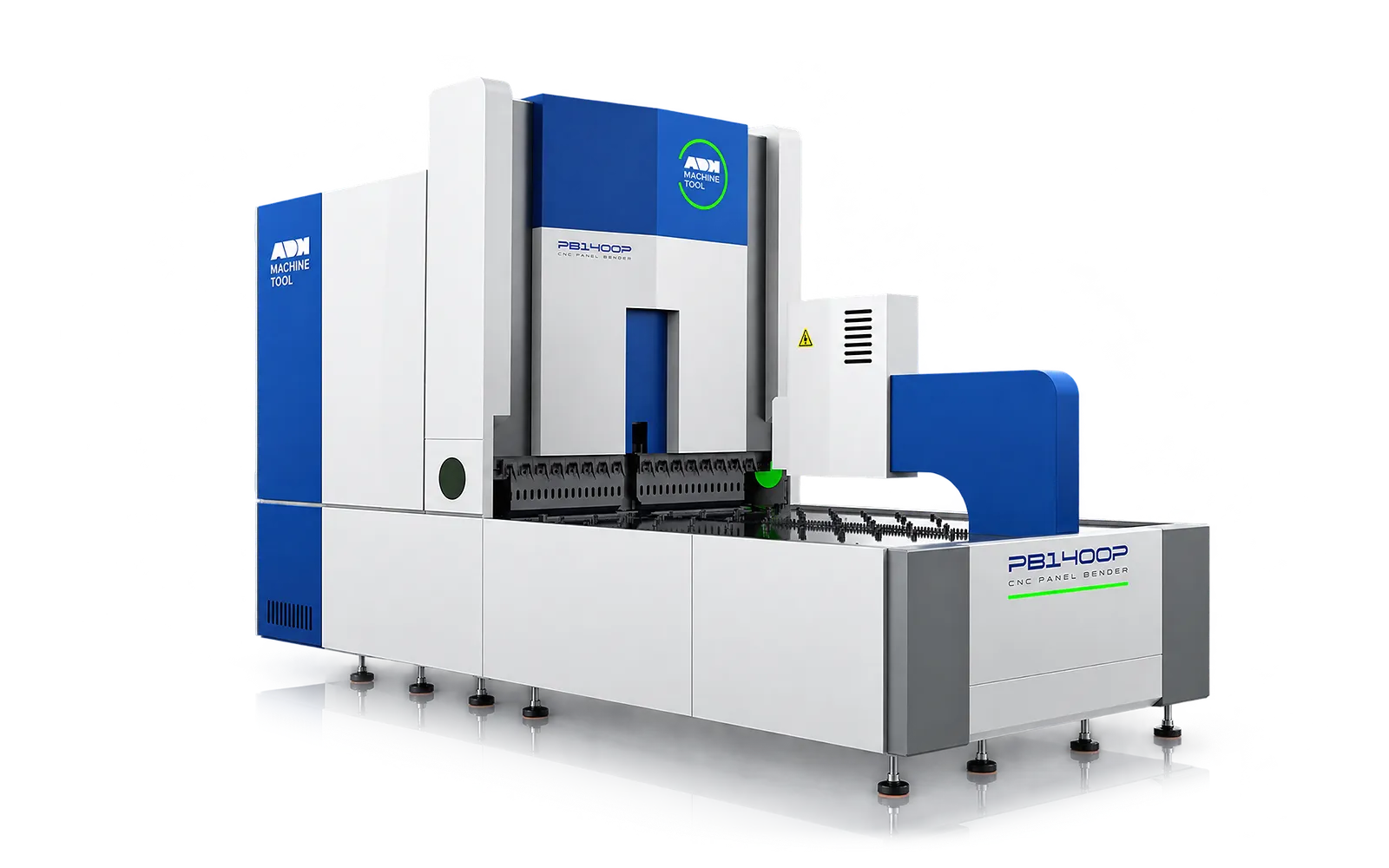
Form suitable doors and panels
Evaluate panel benders for the actual panel sizes, folds, corners and surface requirements. Check the finished part, not only the flat blank.
Compare panel bendersV grooving is a design-dependent option for selected appearance requirements. Its geometry and subsequent forming must be agreed; it is not a required process for every stainless-steel component.
Define the finish your parts require
Compare CNC press brakes and panel benders for your stainless parts. Use representative samples to check surfaces, corners and critical dimensions.