
Sheet metal solutions
Electrical cabinet manufacturing
Make cabinet doors, side panels and trays with cutouts and bends that fit the assembly. Compare laser cutting, CNC press brakes and panel benders for your product mix.
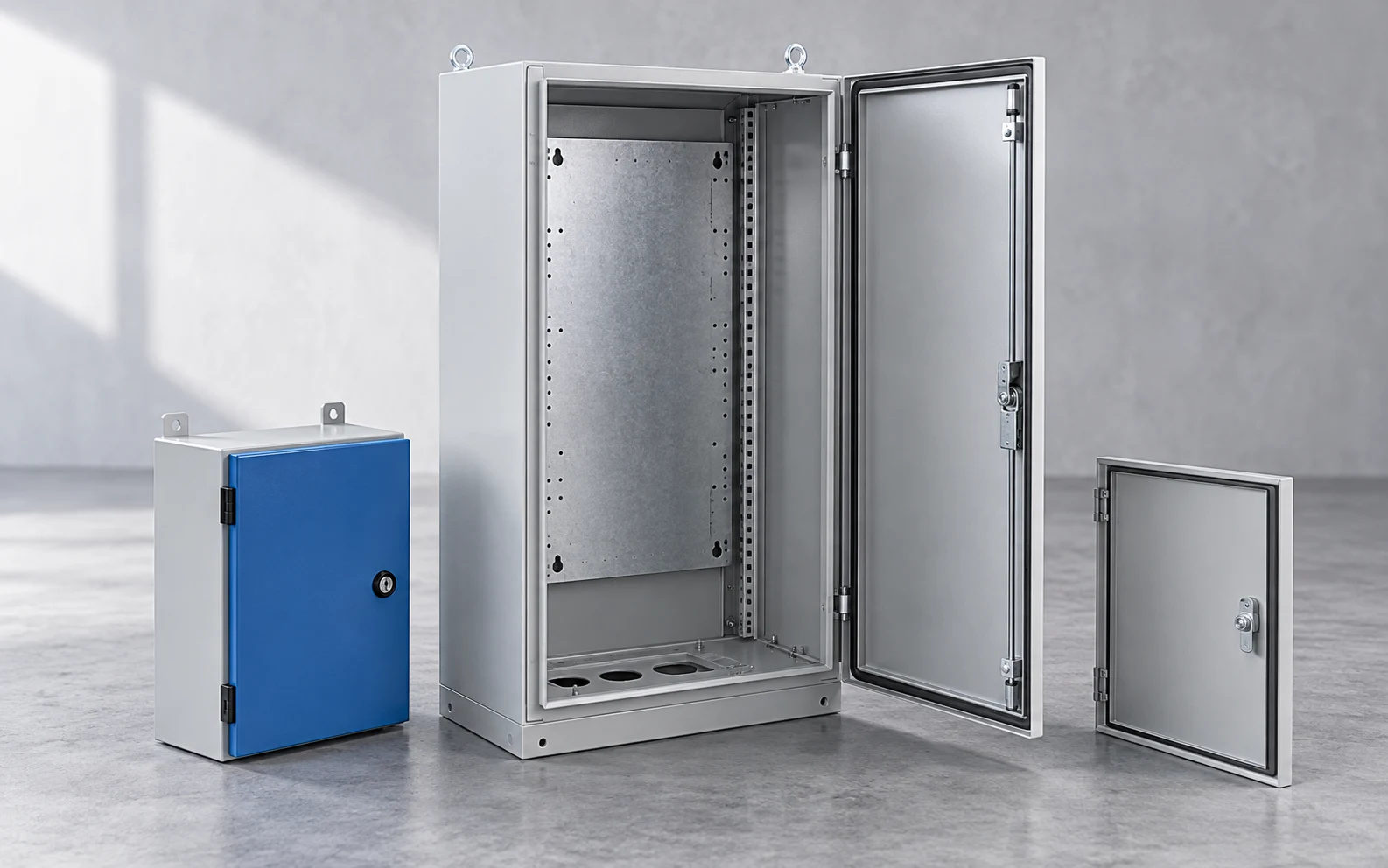
Start with the parts you make
Start with a representative cabinet assembly, then separate its panels from the brackets and internal fittings.
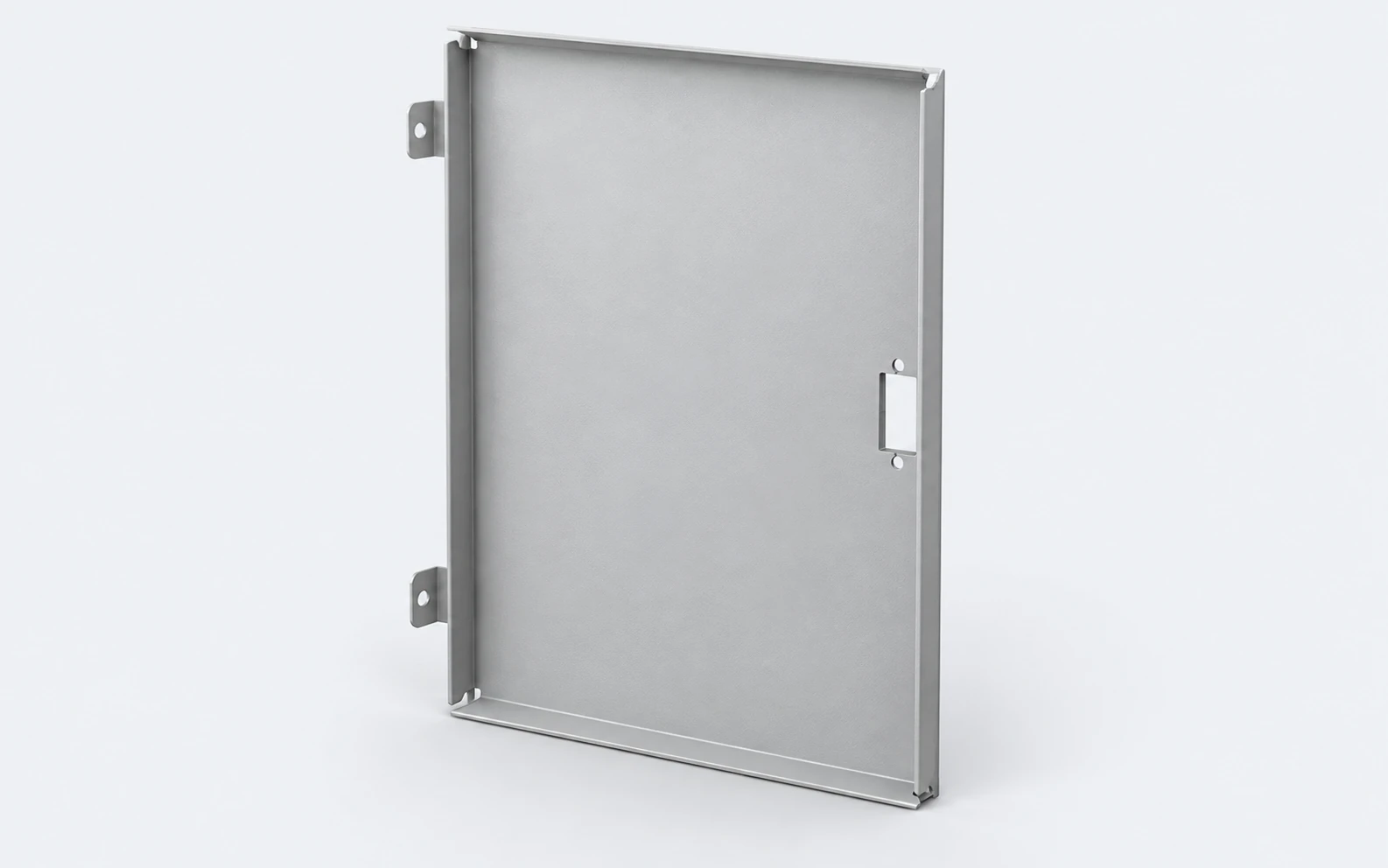
Doors and covers
Review return flanges, corners, hinge positions and the clearance needed to form and remove the part.
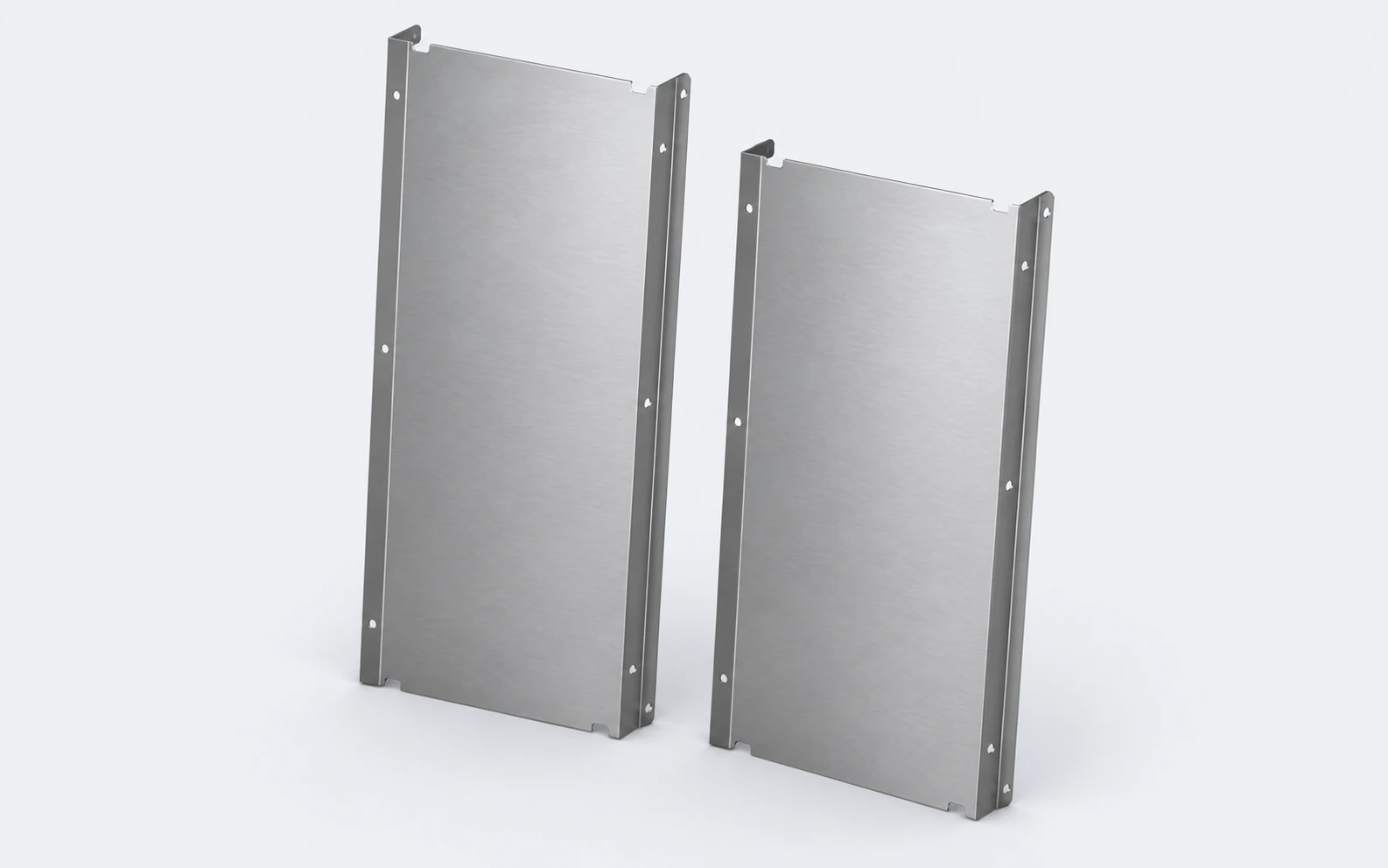
Side and rear panels
Consider long bends, joint locations and how each panel will be supported without damaging its visible face.
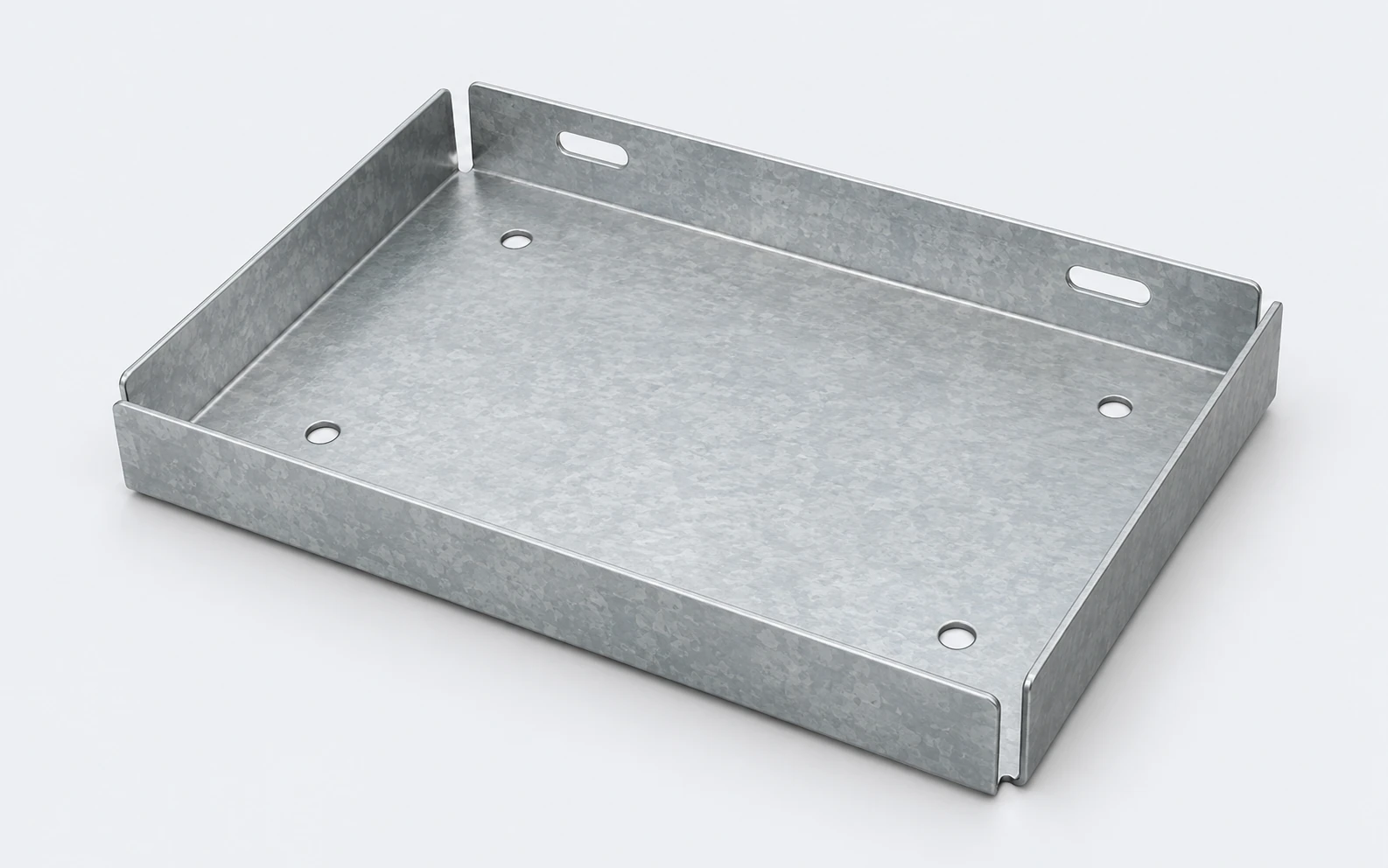
Mounting plates and trays
Relate cutouts and mounting holes to the final folded shape and to the equipment fitted inside.
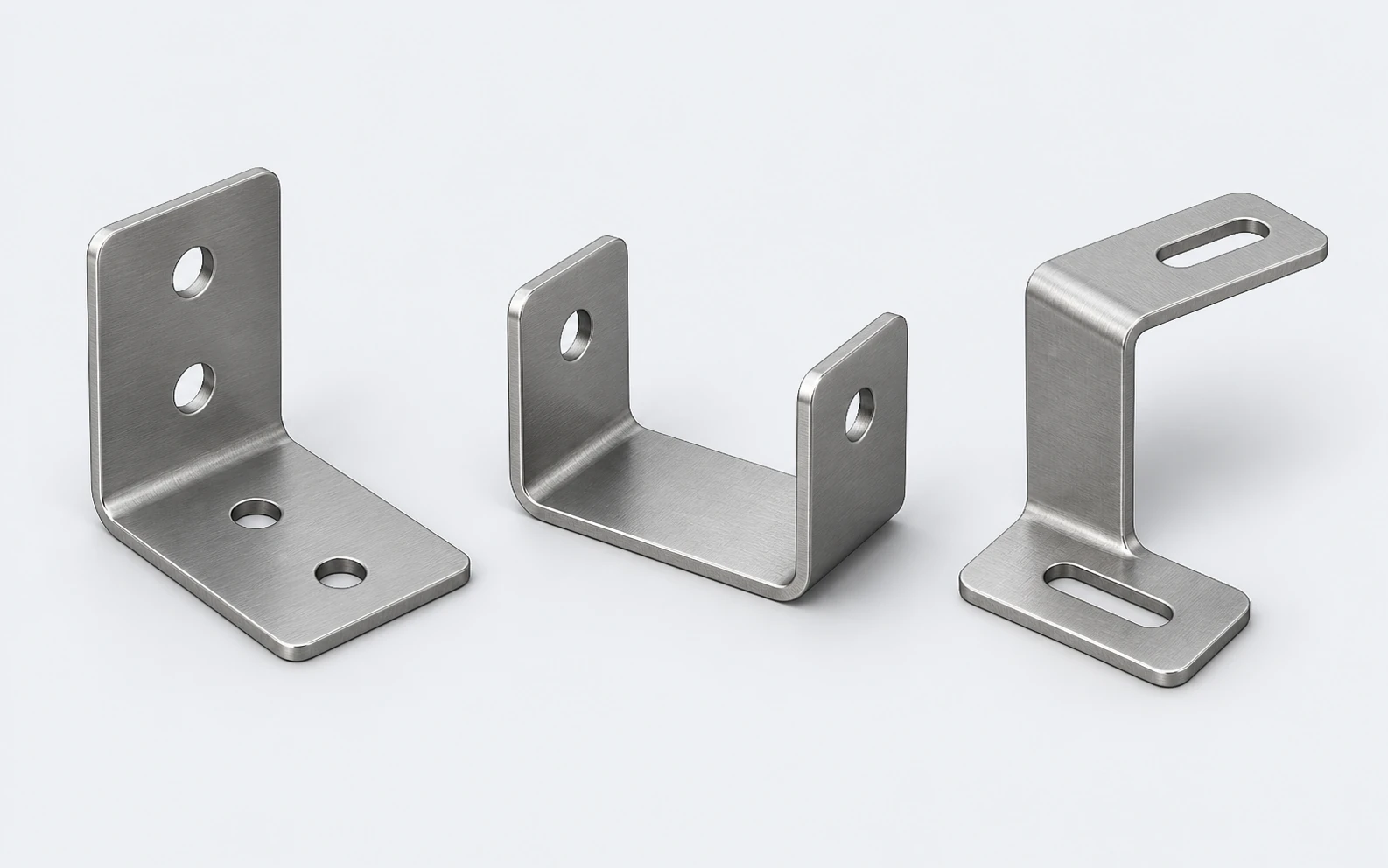
Brackets and supports
Check short flanges, tool access and the range of shapes that share a setup.
Connect the part to the process
Assembly fit
Use the finished drawing and flat pattern together. Hole locations, bend allowances and the order of bends affect how the enclosure comes together.
Surface protection
Specify the visible faces and protective film. Tool contact, handling and stacking all belong in the sample-part evaluation.
Product variety
Compare the usual door and tray families with the difficult exceptions. Batch size alone does not describe tool changes or handling effort.
Choose the equipment for each task
Cut the flat geometry, choose a forming method for each part family, then check the interfaces to welding, finishing and assembly.
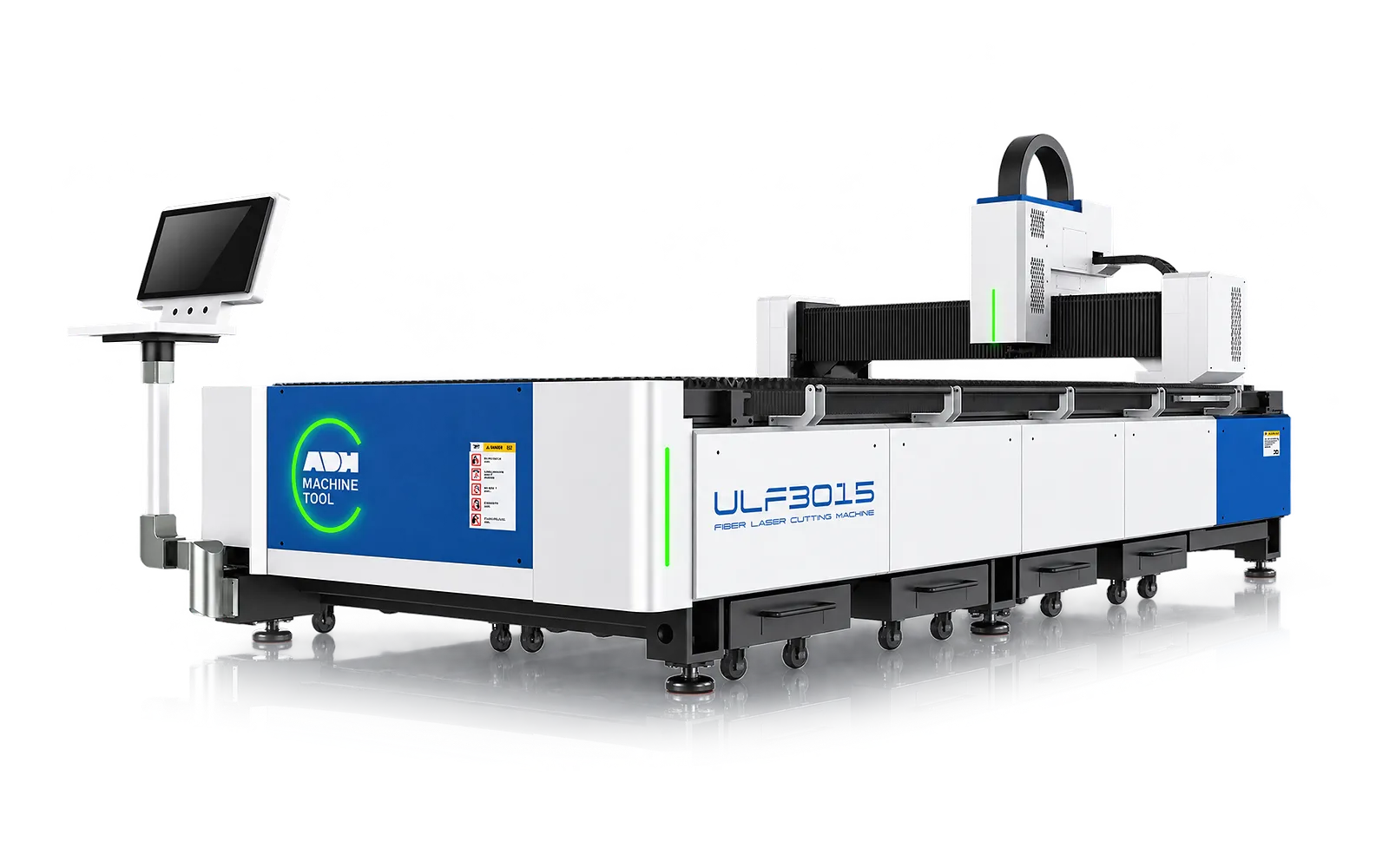
Cut blanks and openings
Use laser cutting for the panel outline and openings. Material, thickness, small features and the finish needed before bending determine the cutting setup.
Explore fiber laser cutting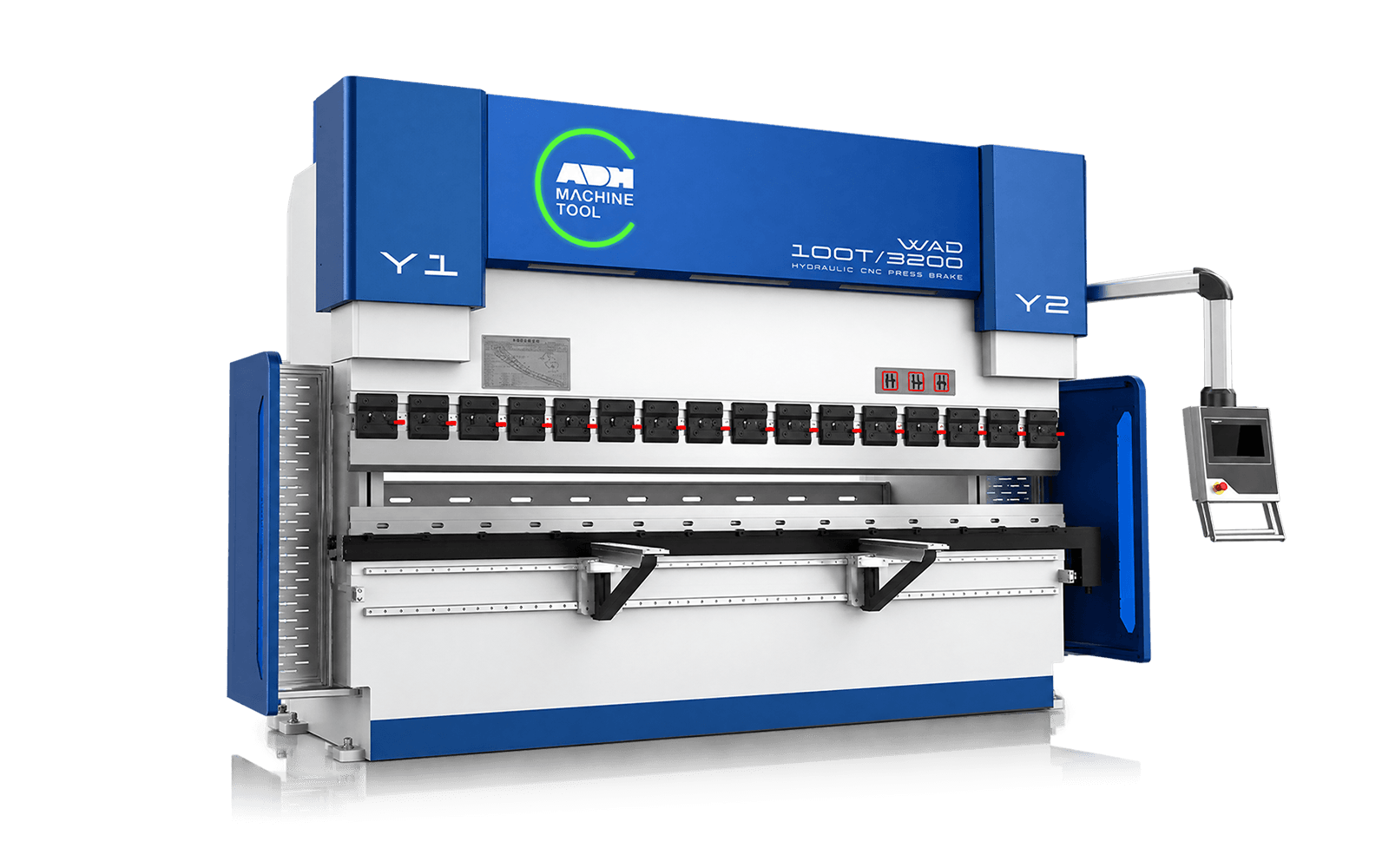
Form changing geometries
Consider a CNC press brake for the range of panel and bracket shapes. Review bend sequence, tooling clearance, backgauge access and operator support.
Compare CNC press brakes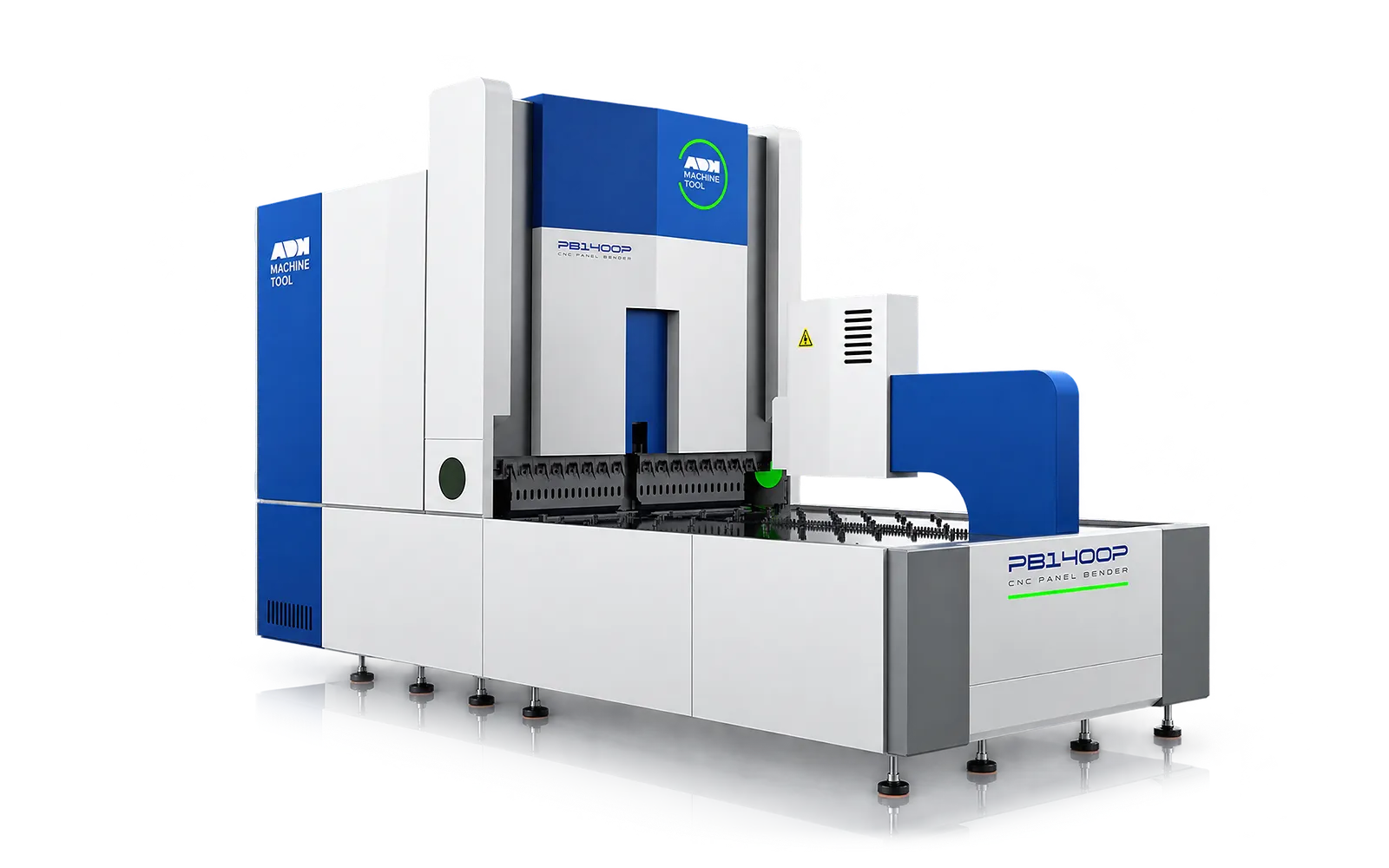
Bend suitable panel families
Evaluate PB-M or PB-A against the panel envelope, flanges, interference and loading. PB-A automatic tool change is relevant when the required tool lengths change across jobs.
Compare panel bendersPanel bending and press-brake bending can serve different parts in the same enclosure. Confirm the proposed machine against representative drawings before assigning the whole cabinet family to one process.
Check the machine against the panel
Compare CNC press brakes and PB-M/PB-A panel benders by model and configuration. Use sample parts to check difficult bends, critical dimensions and surface finish.