Sheet metal solutions

Parts for heavy machinery

Cut and form large plates, structural parts and machine guards. Include loading, part support and preparation for welding when comparing equipment.

Illustration of a fabricated steel hopper with heavy mounting plates
Application illustration · representative workpieces

Start with the parts you make

Separate the large, heavy components from the lighter guards and enclosures. They may need different machines and handling methods.
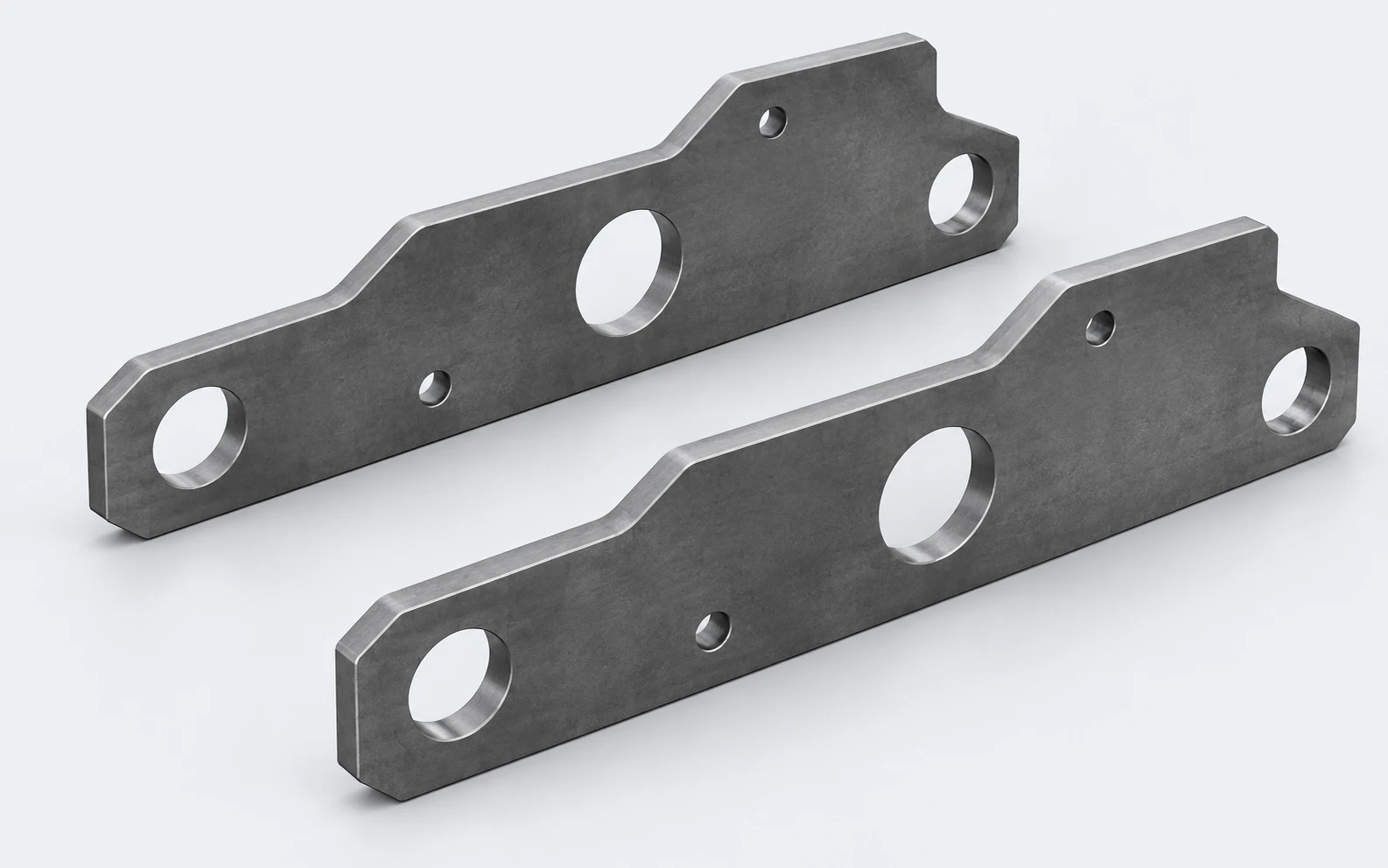
Illustration of two thick profiled steel sideplates with circular assembly openings.

Structural sideplates

Describe the stock format, critical openings, joining edges and the position used to load and remove the plate.
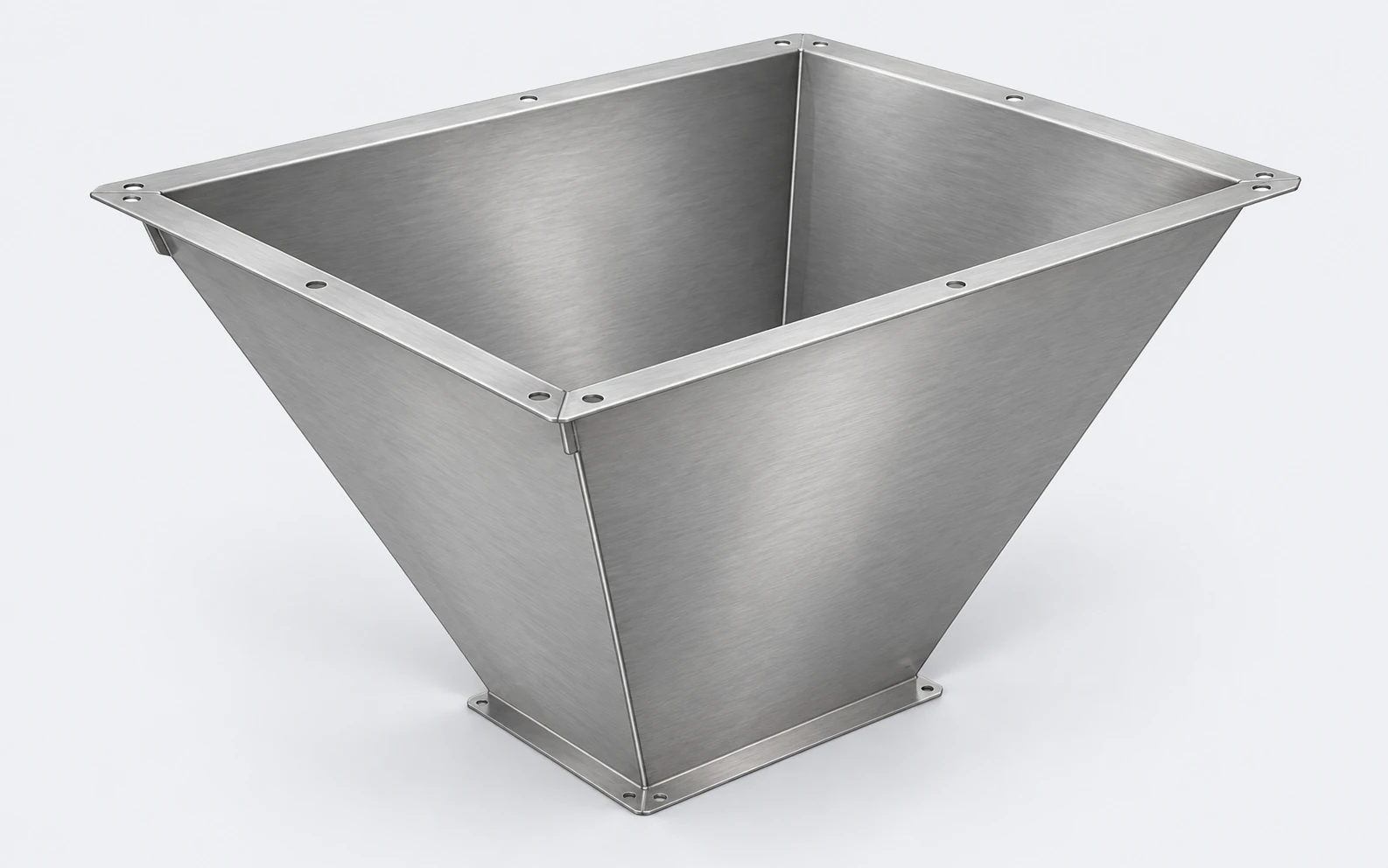
Illustration of tapered steel hopper panels with straight joining seams and mounting flanges.

Hopper and chute panels

Identify bend length, finished depth and part mass, including support through the bend and during unloading.
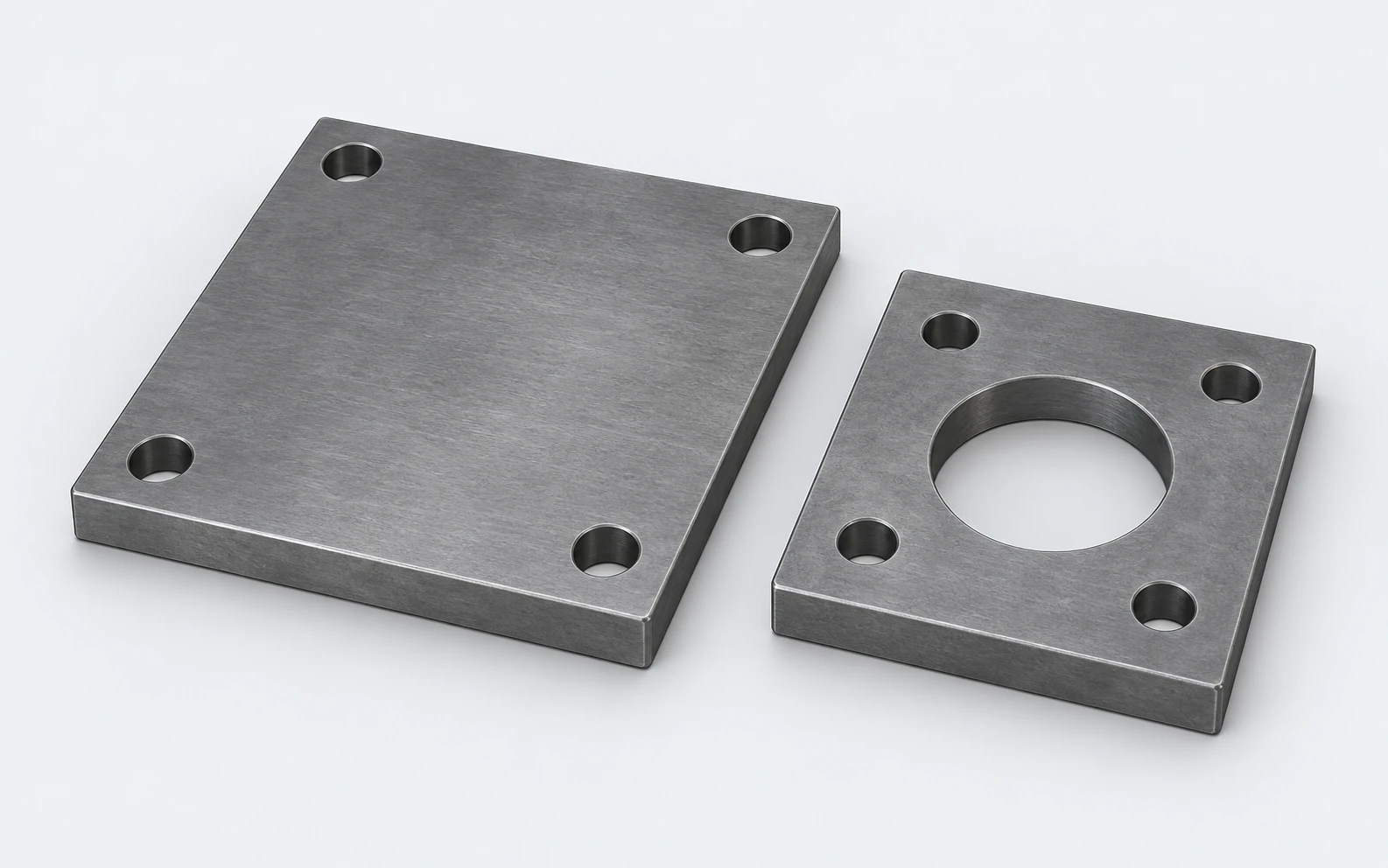
Illustration of thick rectangular steel mounting plates with fixing holes and a central opening.

Mounting plates

Clarify which holes and edges are assembly-critical and whether any machining remains after cutting.
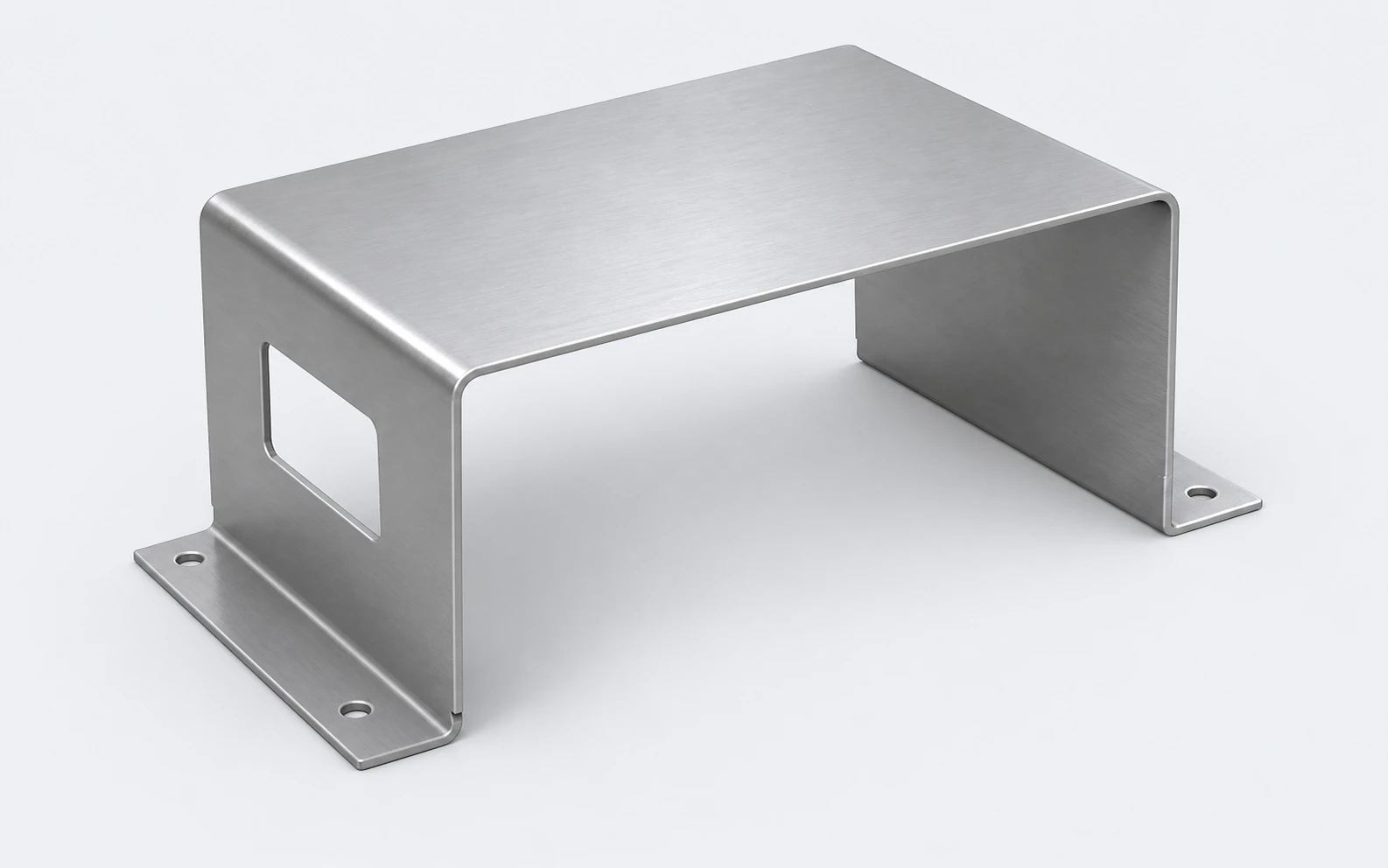
Illustration of a thin folded machine cover with an open underside, service opening and mounting feet.

Guards and covers

Group lighter formed panels separately from thick structural work so the equipment choice reflects the actual part mix.

Connect the part to the process

Handling large components

Machine capacity and factory access must be considered together. Include the crane or loading method, staging area and finished-part removal.

Preparing for welding

Describe the edge condition and fit-up required downstream. Cutting speed alone does not establish the time needed for a completed welded assembly.

Long and heavy bends

Review forming force, bend length, tooling, daylight and component support together. Maximum length alone is not a machine selection.

Choose the equipment for each task

Choose the cutting format around the stock and critical features. Send parts that require forming to a suitable press brake, then assess preparation and fit-up for welding.
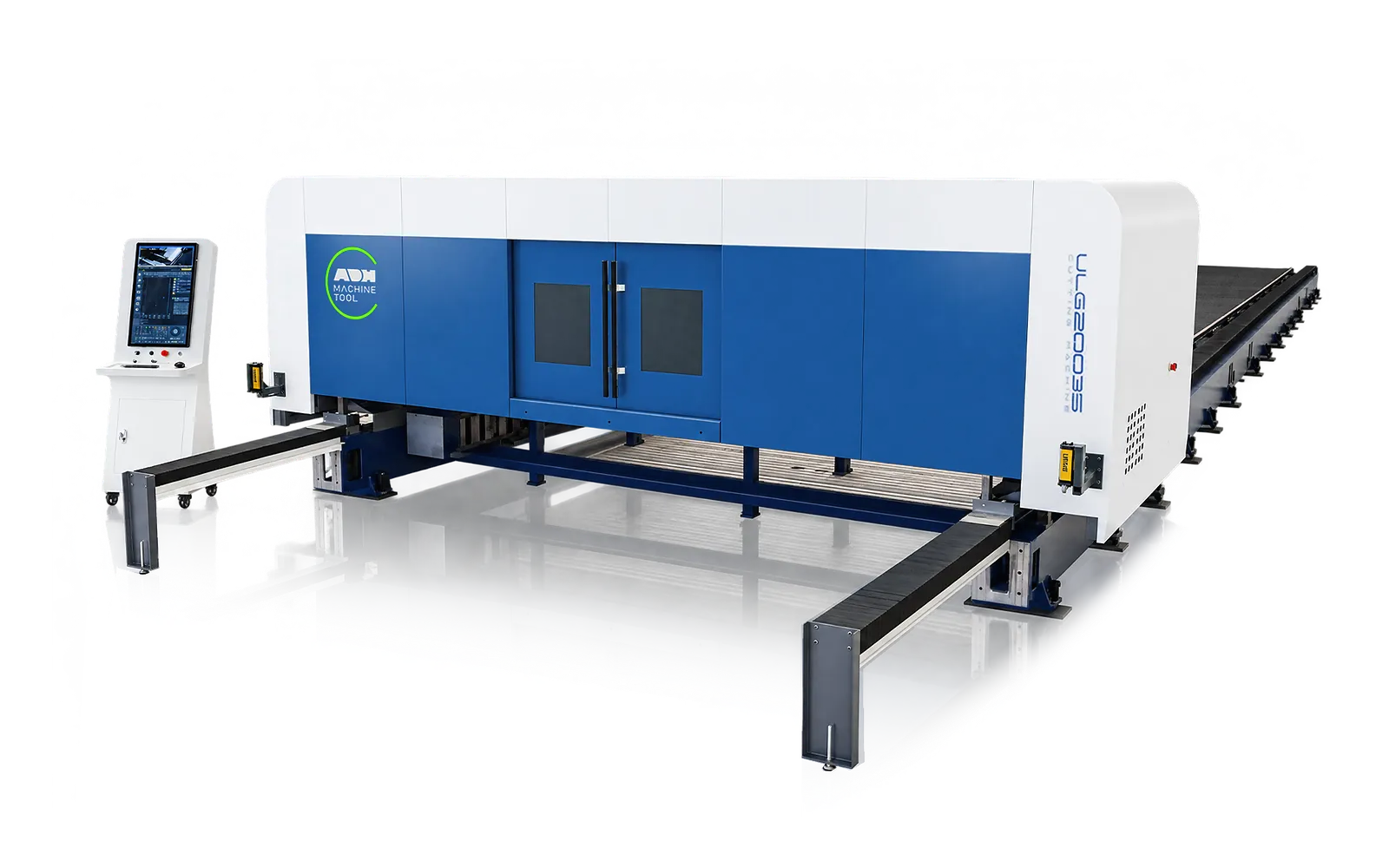
ULG ground-rail fiber laser cutting machine

Cut large plate formats

Consider a ground-rail laser for large plate work. Review the working format, material range, cut features, loading access and space around the machine.

Explore ground-rail lasers
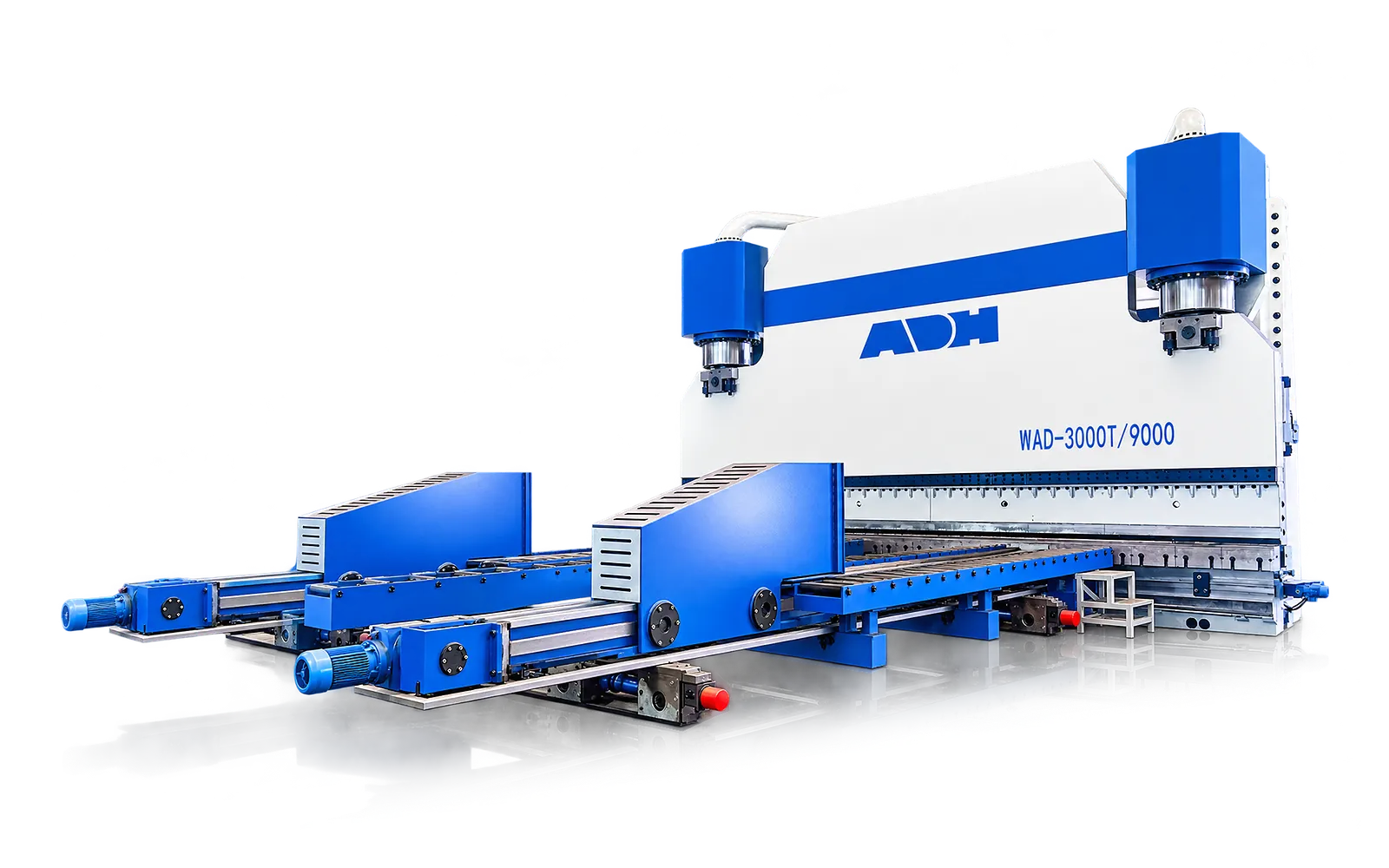
Large WAD heavy-duty CNC press brake

Form large components

Evaluate a large press brake using the actual bend plan, material strength, tooling and support needs. Review the longest and heaviest finished parts.

Explore large press brakes
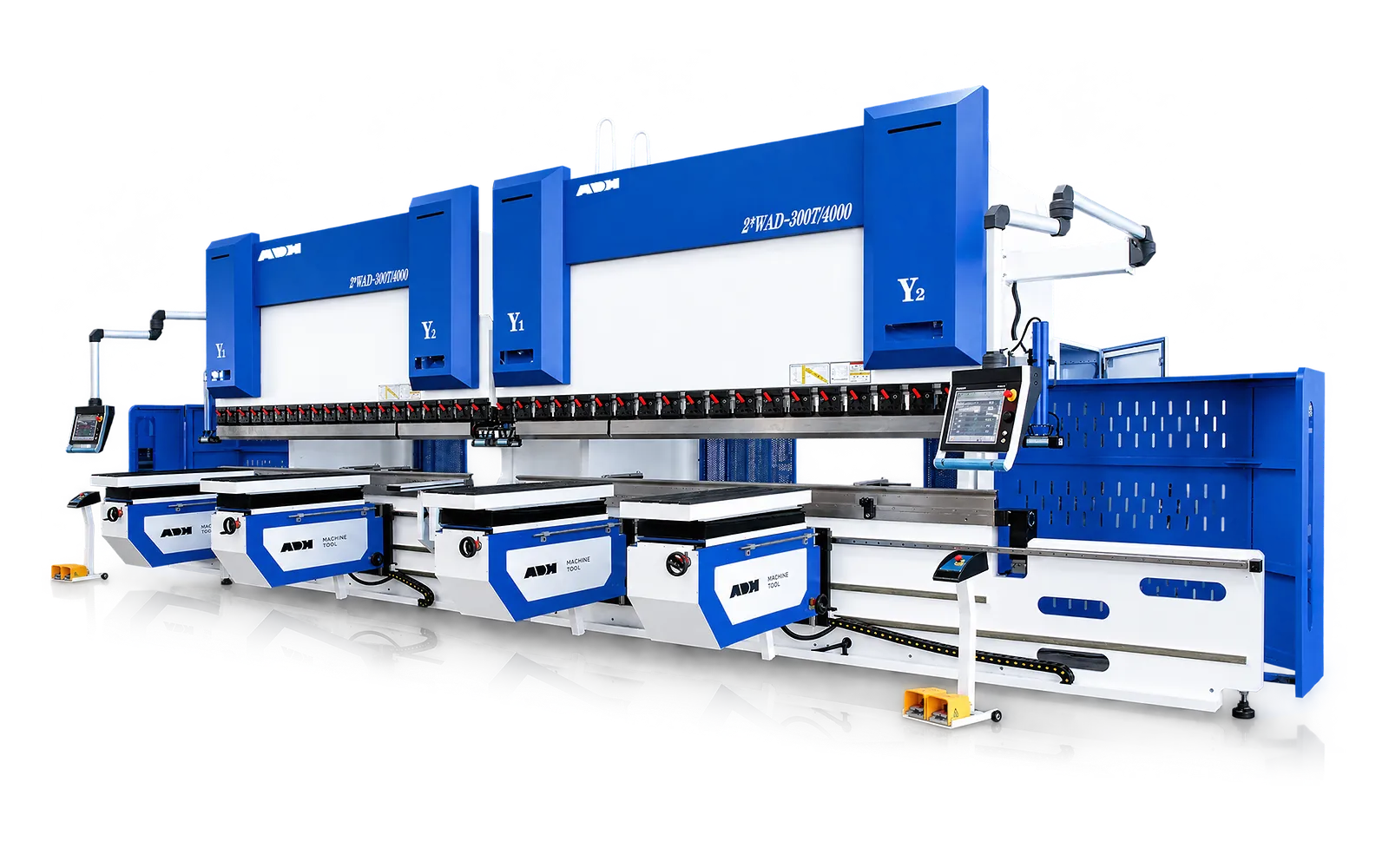
Two matched CNC press brakes arranged as a tandem forming system

Coordinate long bends

Where the part requires a tandem arrangement, check the machine pairing, synchronization, tooling and handling plan as one system.

Explore tandem press brakes

The projects below document particular laser-cutting installations. Their reported results do not establish press-brake performance or a guaranteed result for other materials and parts.

Laser cutting in heavy manufacturing

Zhekuang and Xingqiu describe specific heavy-plate projects in China, including installed equipment and the work between cutting, preparation and assembly. Compare those production conditions with your own.
Related customer projects in China

Read the installed equipment, production conditions and reported results in each project.

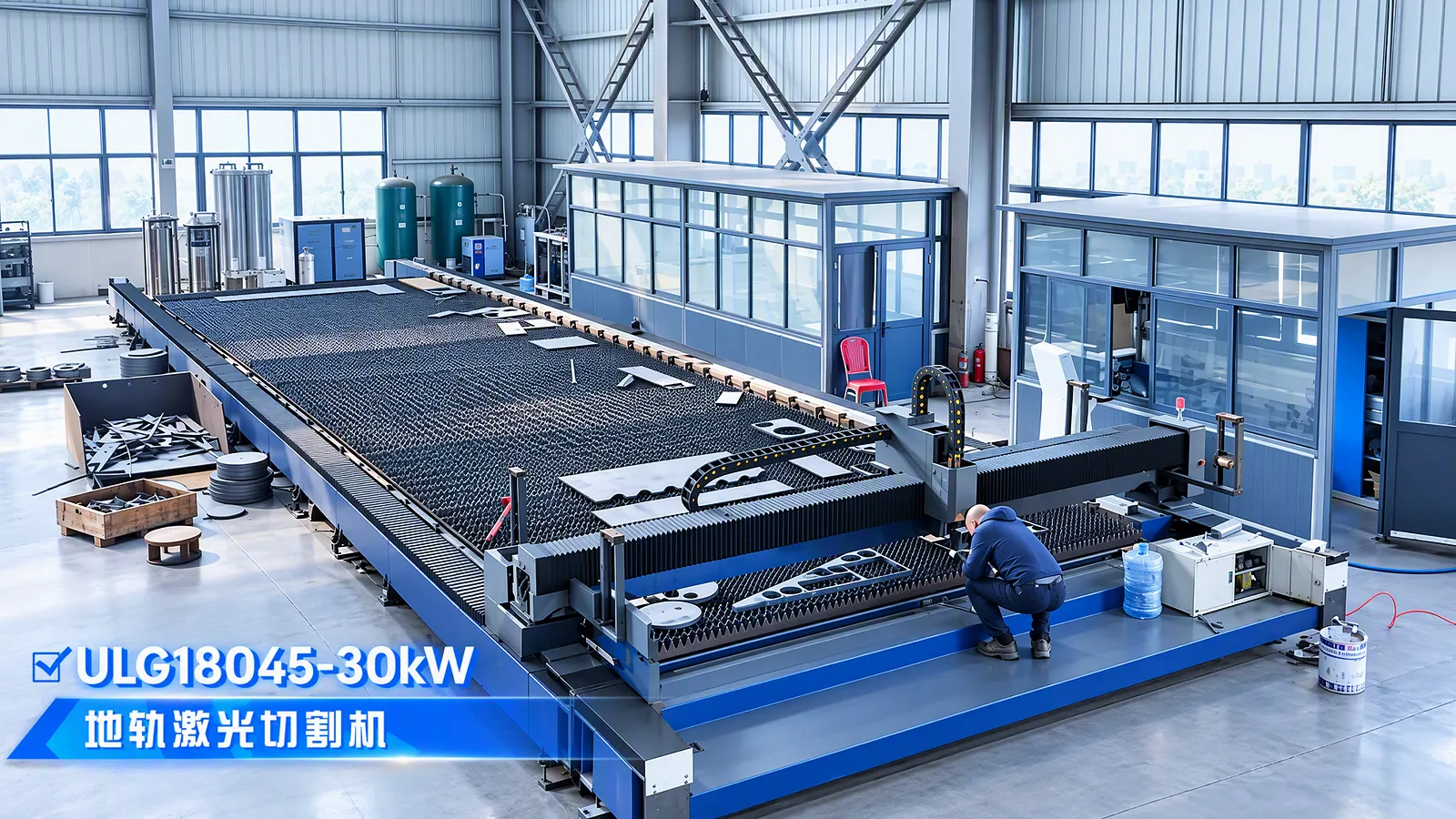
ULG18045 30 kW ground-rail laser in Zhekuang Heavy Industry's workshop

Mining equipment · Zhejiang, China

Zhekuang Heavy Industry: From Cutting to Welding

An 18-metre, 30 kW ground-rail laser changed the route from heavy-plate cutting to welding and assembly.

Read Zhekuang Heavy Industry case
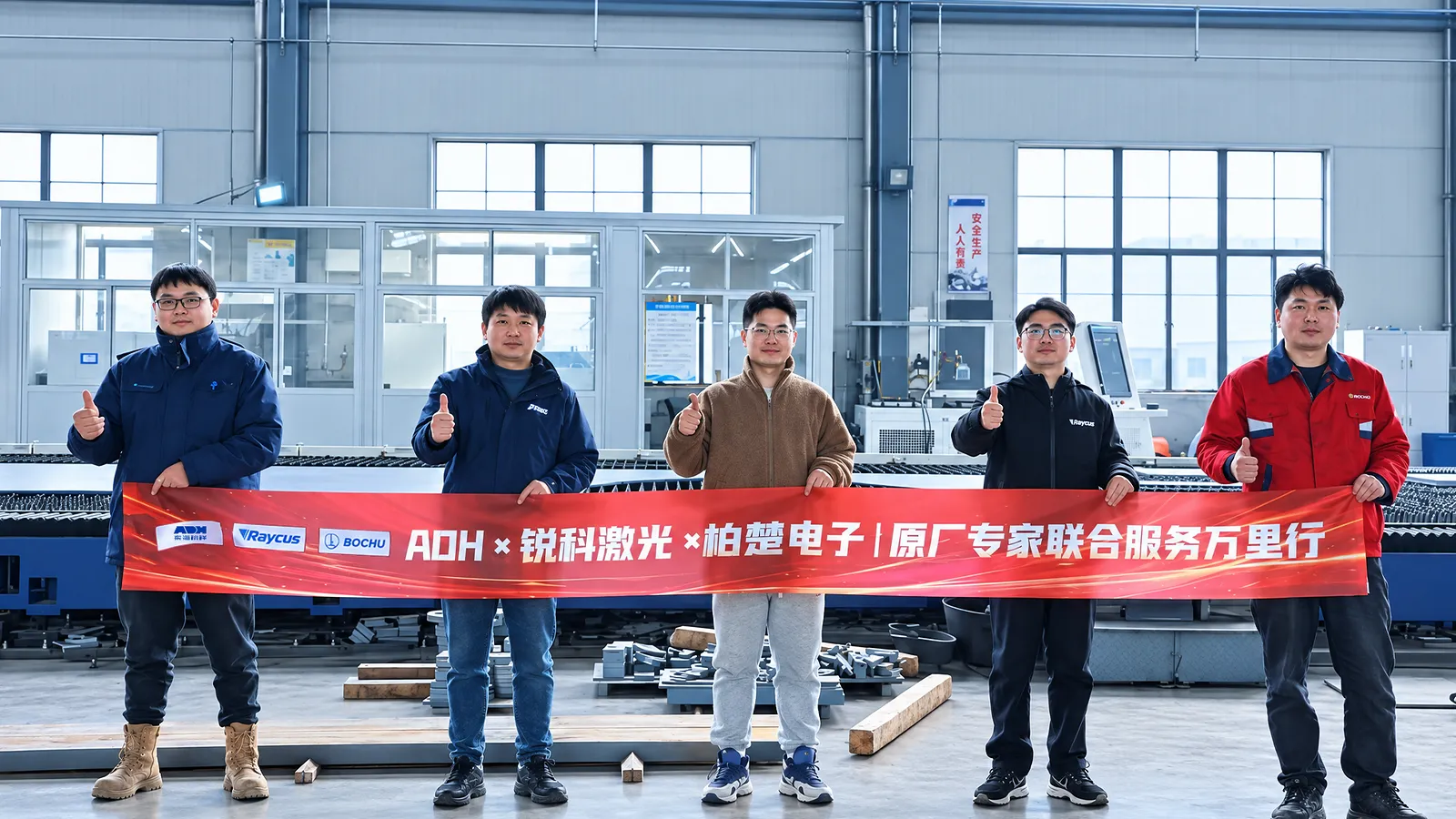
Xingqiu Machinery team and ADH visitors in the workshop shown in the casebook

Heavy machinery · Zhejiang, China

Xingqiu Machinery: A Shorter Heavy-Plate Workflow

A 20 kW ground-rail installation and joint technical support helped a heavy-equipment workshop shorten its reported production cycle.

Read Xingqiu Machinery case

Questions before choosing equipment

Is the largest machine always the right choice?

Compare the normal workload as well as the largest component. Loading, cutting time, forming needs, downstream capacity and floor space determine how well the installation fits production.

Can cut parts go straight to welding?

That depends on the material, edge requirements, cutting setup and welding process. Agree the required preparation and inspect representative cut edges and fit-up.

What changes when parts need long bends?

Review force distribution, tooling, support, machine access and removal of the finished shape. A tandem layout requires a coordinated setup and acceptance plan.

Which information helps size the installation?

Provide stock and finished dimensions, material grades and thicknesses, drawings, part mass where known, output needs, lifting arrangements and a workshop layout.

Prepare a useful production brief

Send the largest and most frequent plate parts, with material, thickness, bend lengths, output needs and your loading or crane arrangement.

Project enquiry

Discuss your project

Tell us what you want to make or improve. Technical details and drawings can follow.

  • Material, thickness and part size
  • Drawings and production volume
  • Location and project timing

Contact ADH

Start a machine enquiry

Name, email and a short description are enough to begin.

Contact Form