
Sheet metal solutions
HVAC sheet-metal production
Choose cutting and forming equipment for air-handling housings, access panels, trays and related duct components. Separate panel work from seams, curved shapes and specialist duct-forming operations.
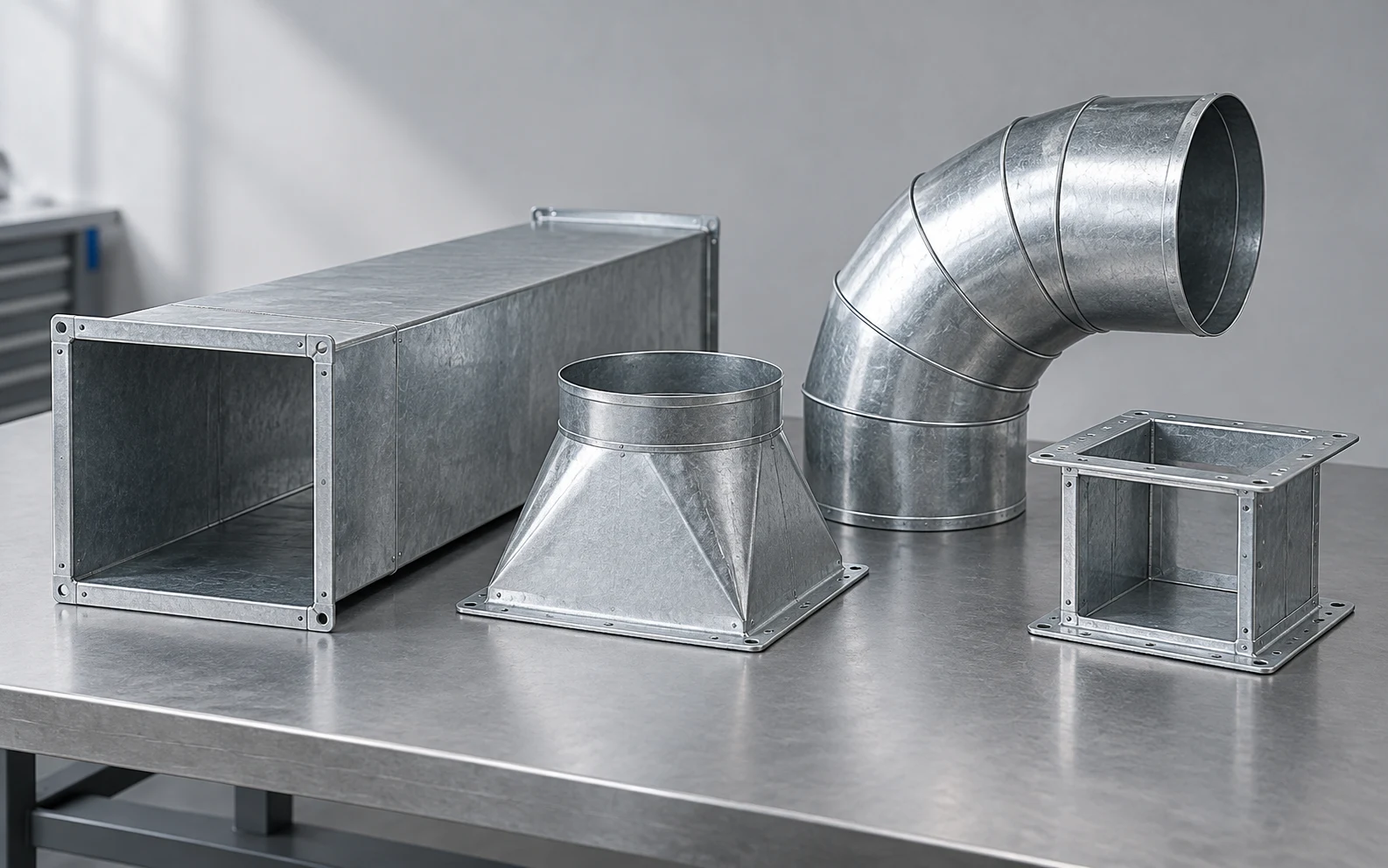
Start with the parts you make
HVAC products combine different geometries. Identify the part and the joining method before choosing a machine family.
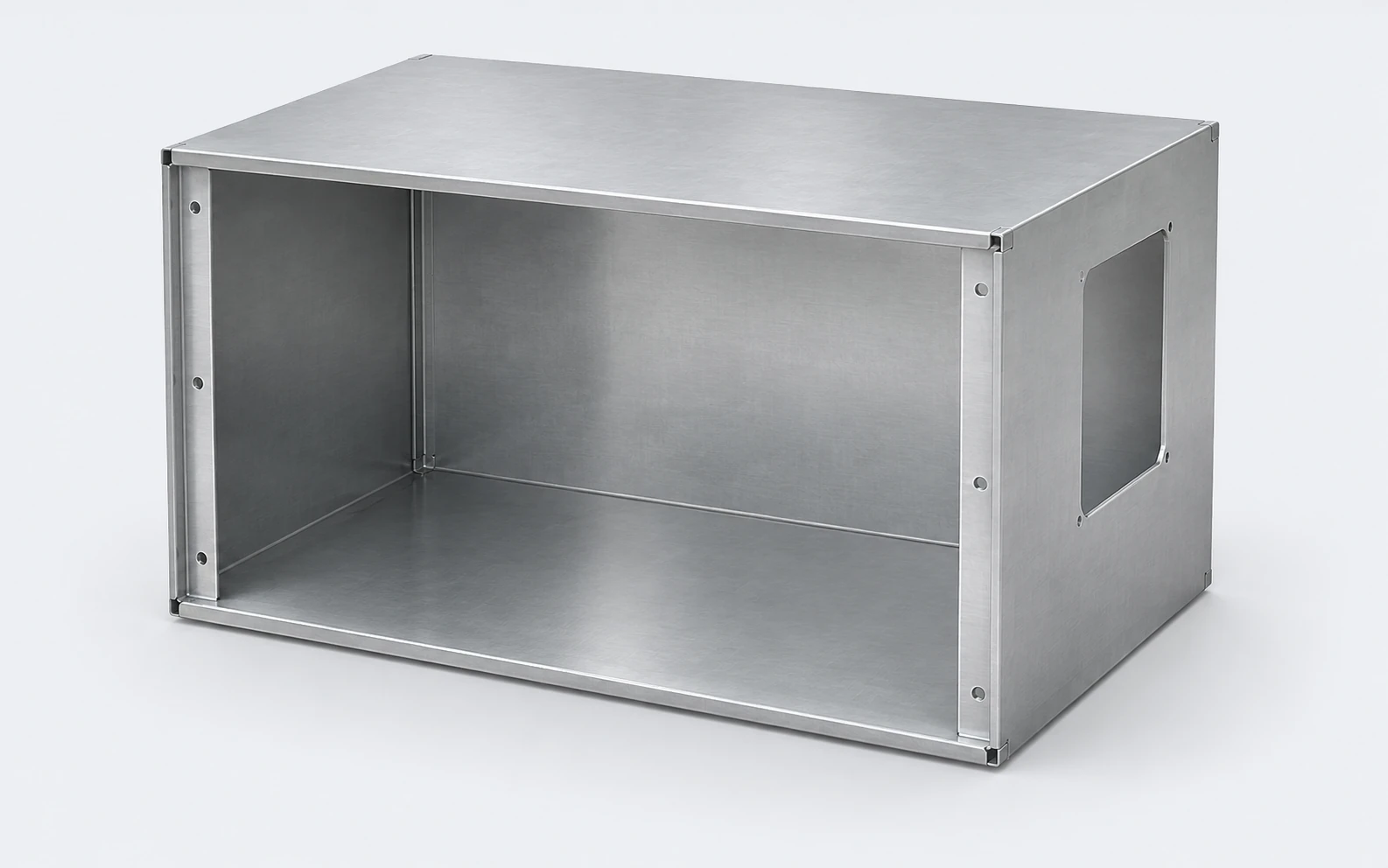
Equipment housings
Check panel dimensions, return flanges, service openings and the way neighbouring panels meet.
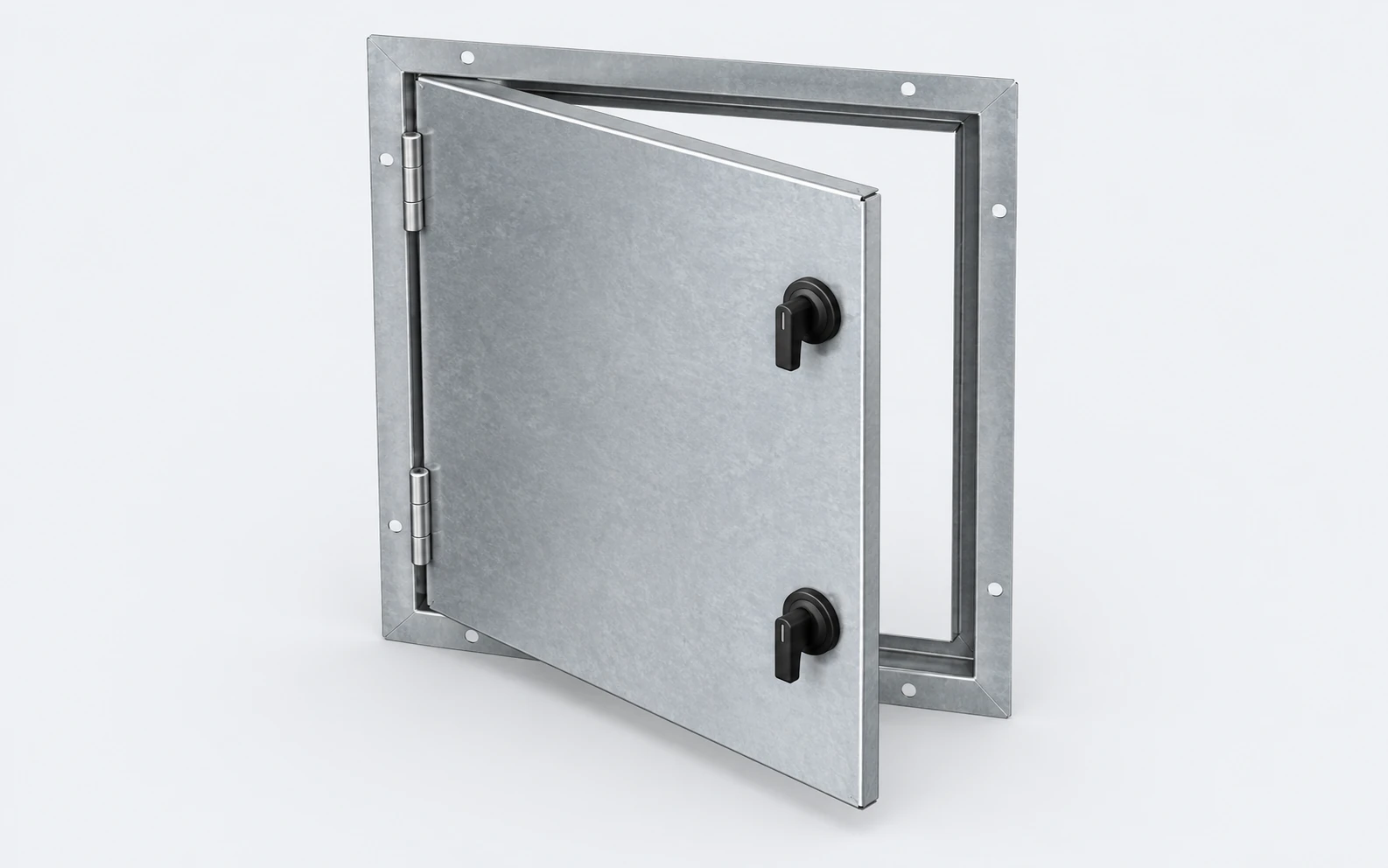
Access doors and covers
Review hinges, latches, edge folds and the finish needed on frequently handled surfaces.
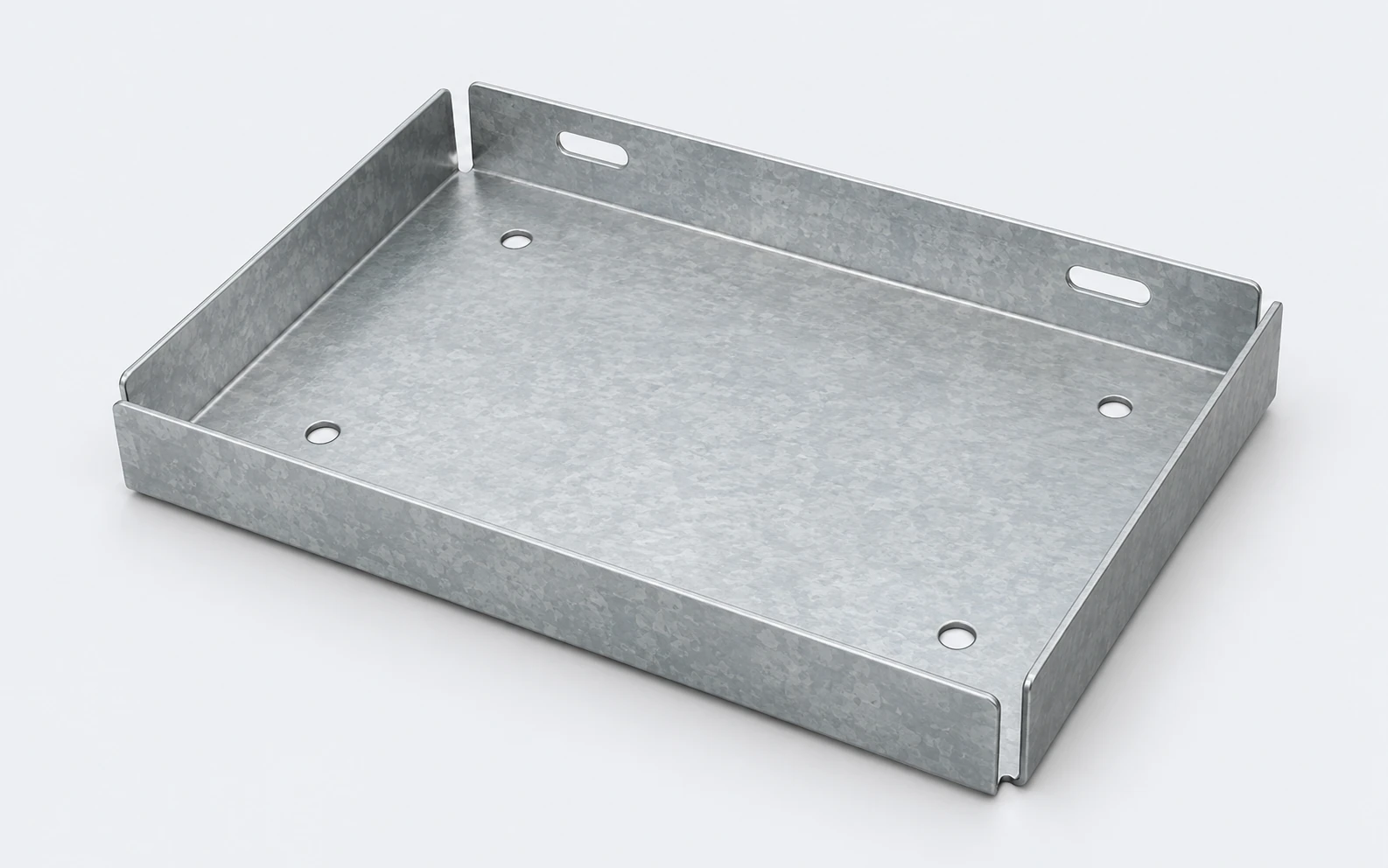
Trays and internal panels
Describe formed depth, corners, mounting points and access for forming and removal.
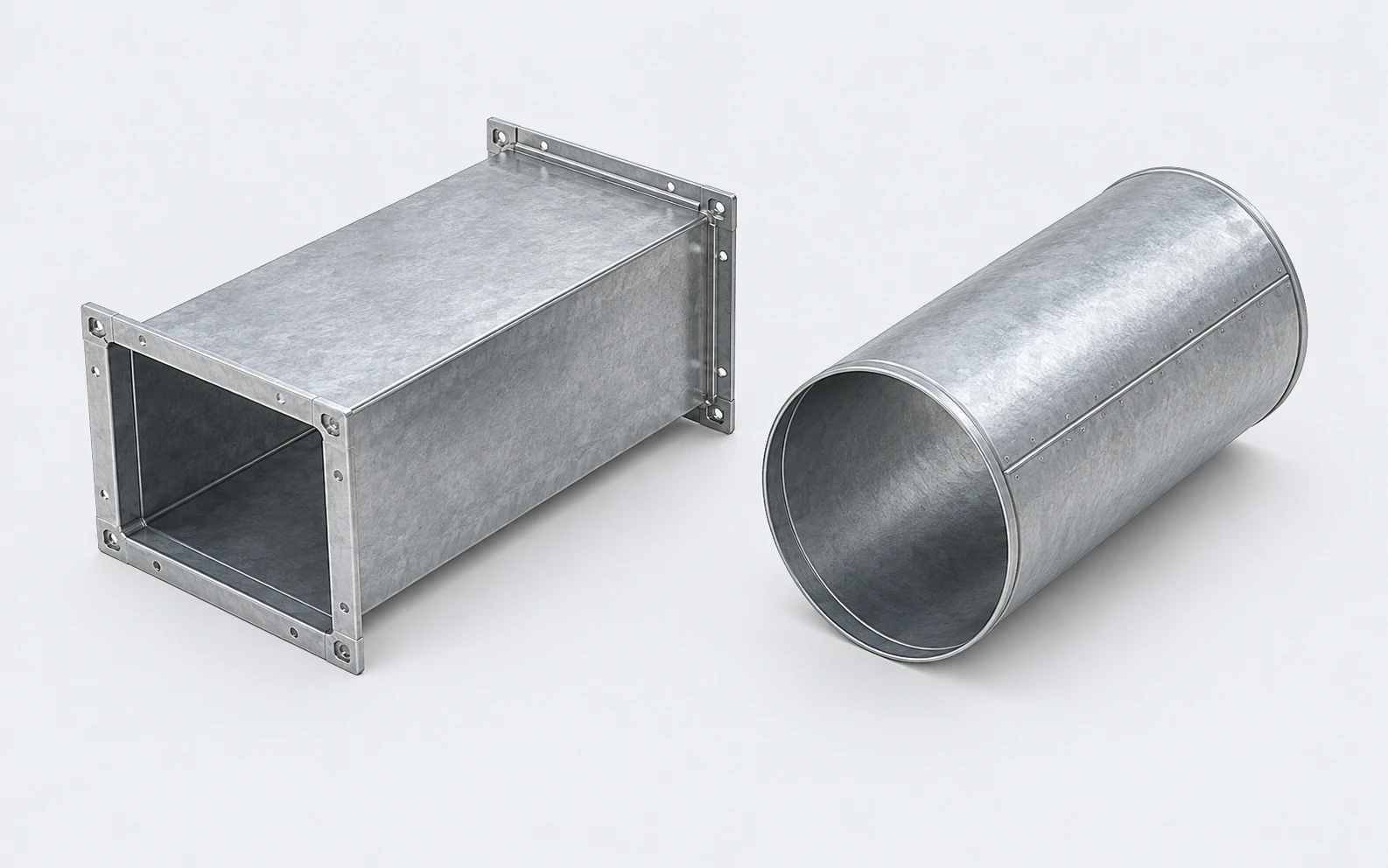
Duct-related components
Specify the actual shape, seams and joining operations. Round ductwork and formed panels require separate process evaluation.
Connect the part to the process
Panel and joint geometry
Flanges, seams and corner details determine the bend sequence and tooling access. Treat the assembled joint as part of the drawing review.
Different blanking tasks
A rectangular blank and a panel with many openings place different demands on blanking. Compare the work before assigning every part to one machine.
Handling finished panels
Include panel support and unloading. Thin or large panels may be easy to mark or distort during handling even when the machine can form them.
Choose the equipment for each task
Choose laser cutting for profiles and openings or assess shearing for suitable straight blanks. Compare press-brake and panel-bending methods for the formed panels, then define the remaining joining operations.
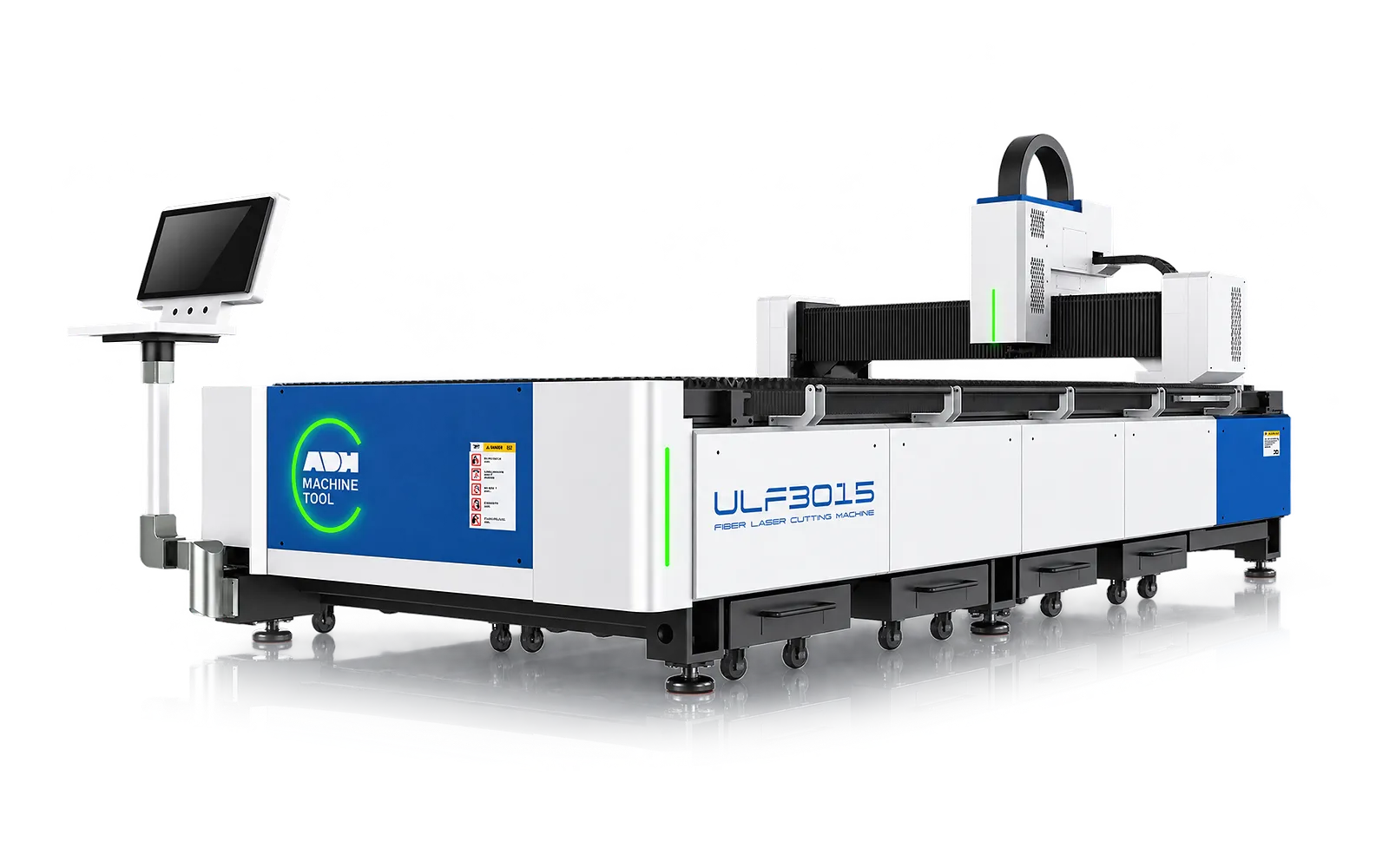
Produce openings and profiles
Review laser cutting for shaped blanks, access holes and mounting features, using the actual material and finish requirements.
Explore fiber laser cutting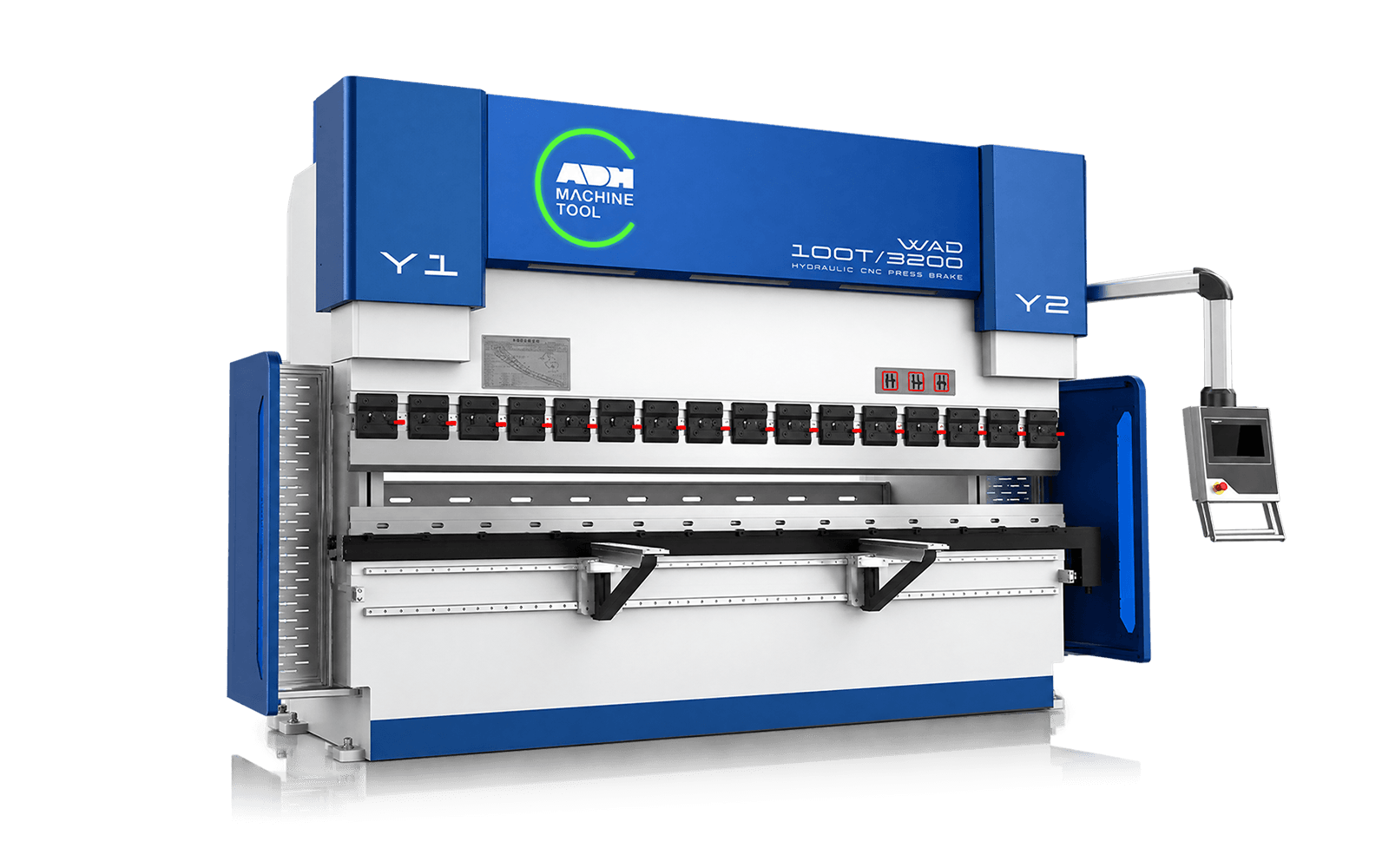
Form flanges and varied shapes
Compare press brakes for the required angles, seams and shapes. Include tool access and how the folded component will be supported.
Explore press brakes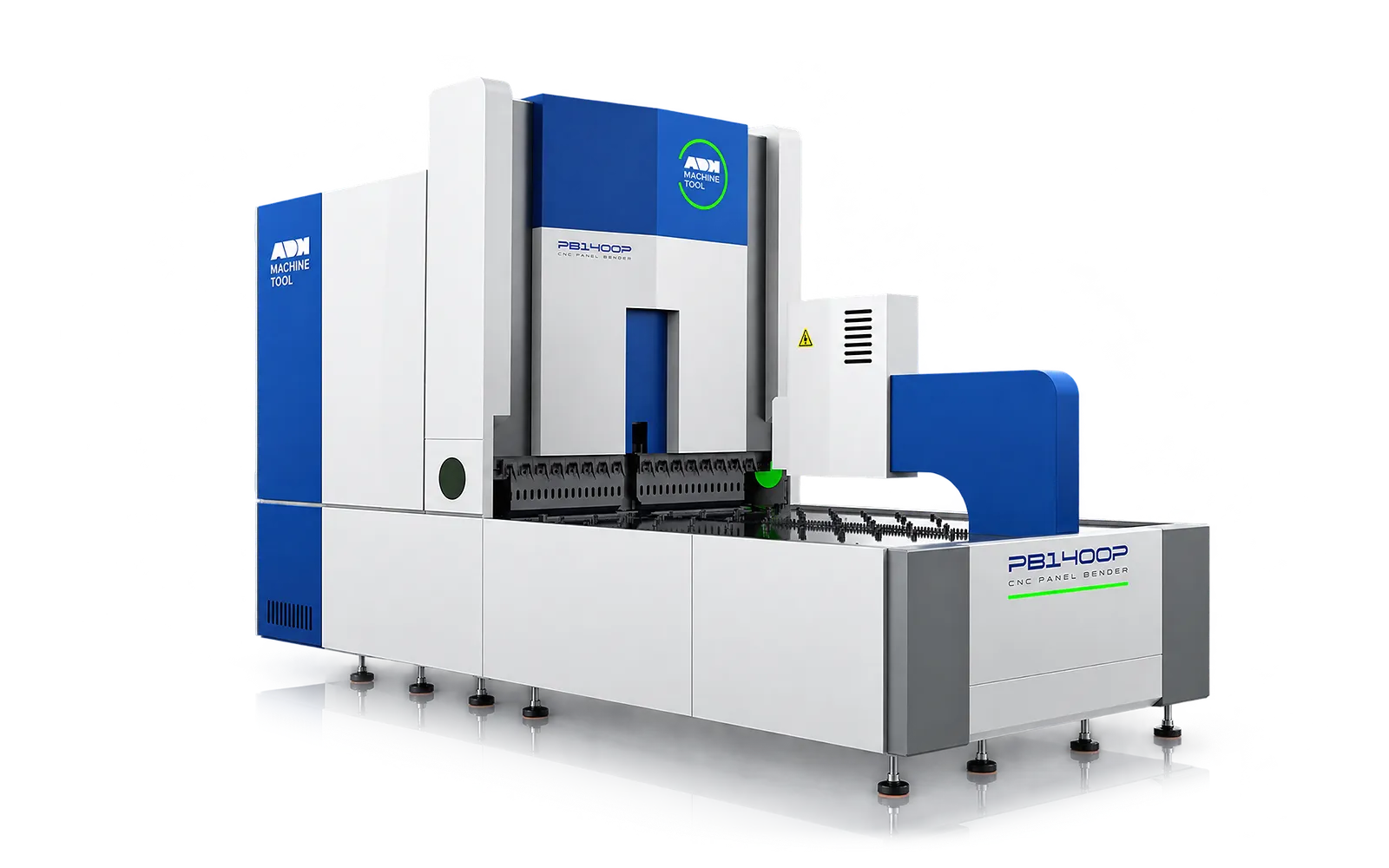
Process suitable panel families
Evaluate panel bending for housings, covers and trays that fit the selected machine’s working envelope and tooling conditions.
Explore panel bendersThese equipment families address defined cutting and bending tasks. Specialist seam, rolling or duct-forming equipment and complete line interfaces must be identified separately.
Compare the required forming operations
Compare panel-bender configurations using your finished drawings. Check the flanges, corners and handling required for each housing, cover or tray.