ADH · Bending automation planning

Bending automation solutions

Compare robotic press-brake cells, panel bending and engineered part handling. Plan the route around your parts, batch mix and production flow.

Start with parts and your current workflow.

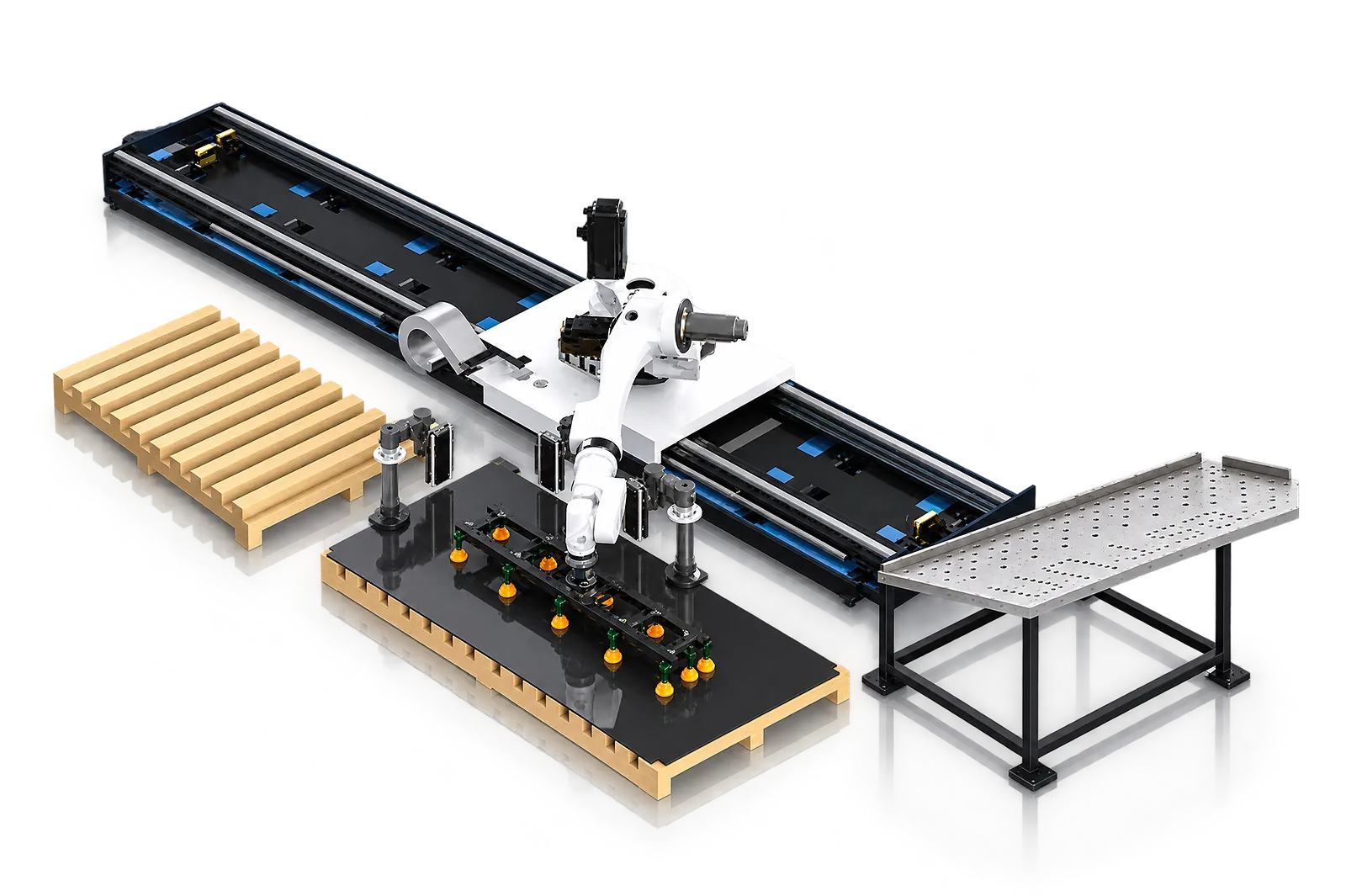
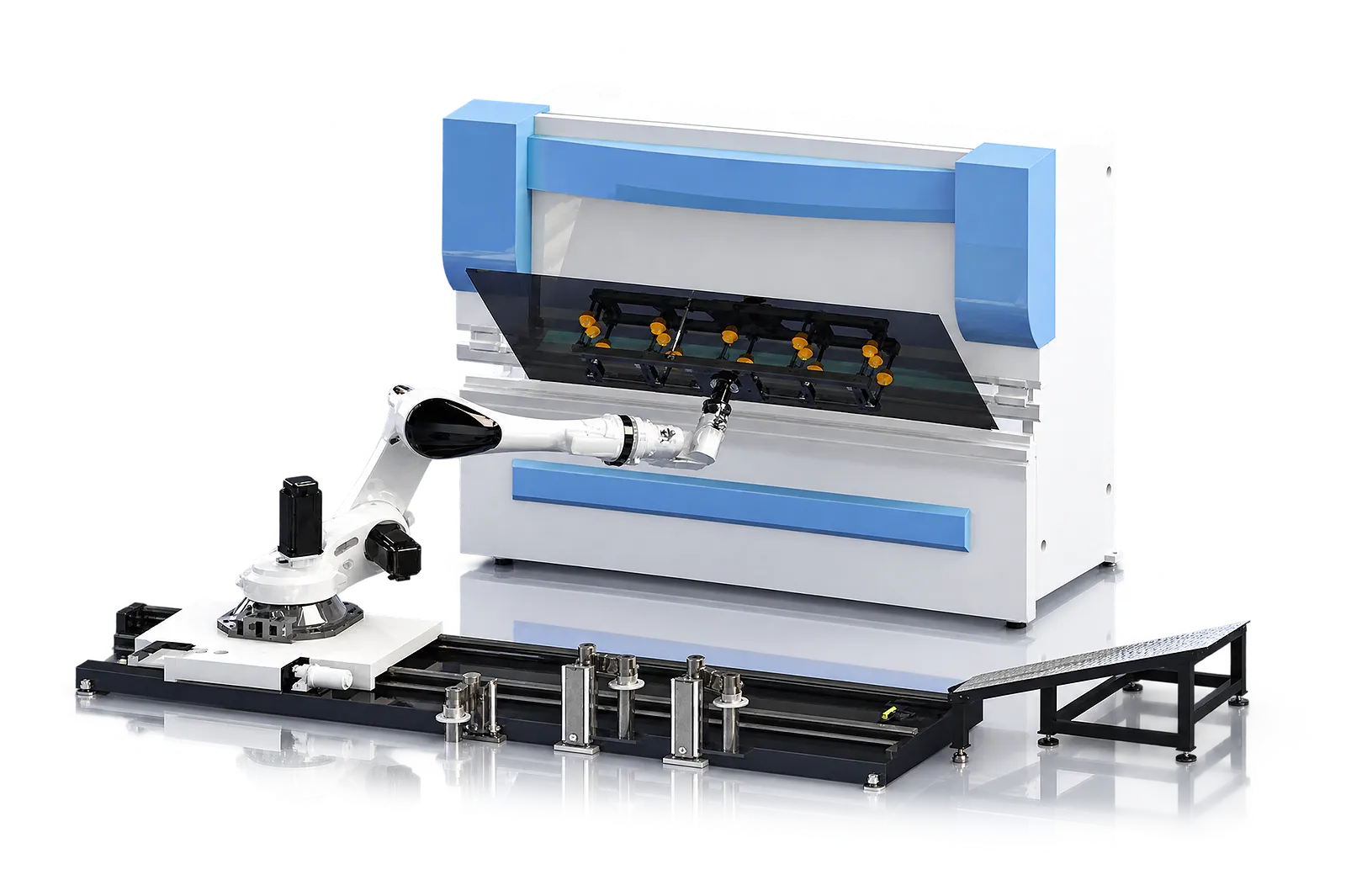
WADG-FMC robotic bending cell

Choose by the work you do

Define the handoffs that make the cell work.

A useful cell review covers pickup, bending and the finished-part destination, including interrupted cycles.

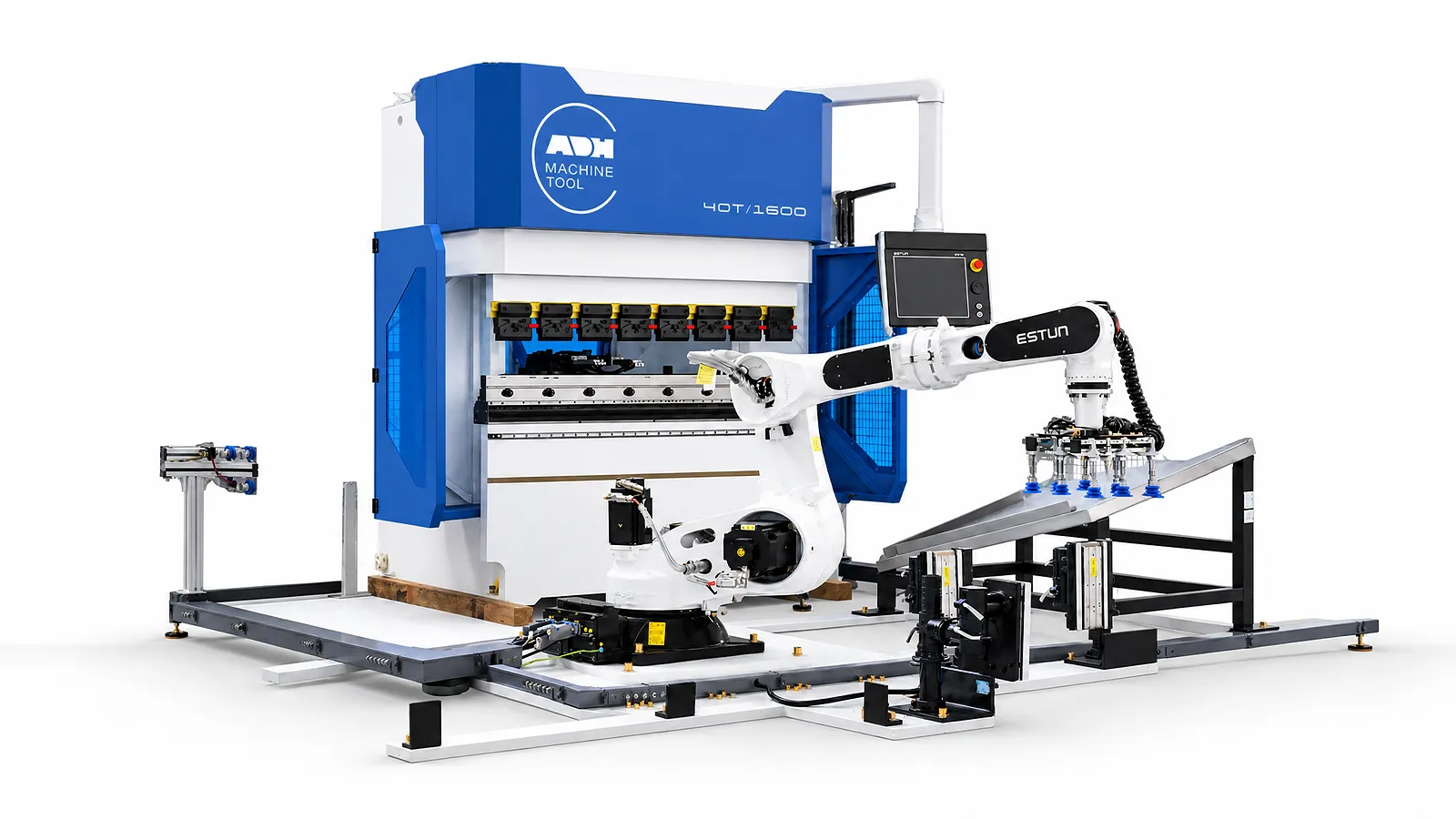
Robot collecting a sheet-metal blank from the loading area

Presentation and pickup

Give every blank a defined starting point.

Review stacks, orientation, separation, pickup zones and referencing before the first bend.

Discuss This Configuration →
Details & specifications

Include material variation, stack conditions, gripper access and the response to missed or incorrect pickups.

View product information →
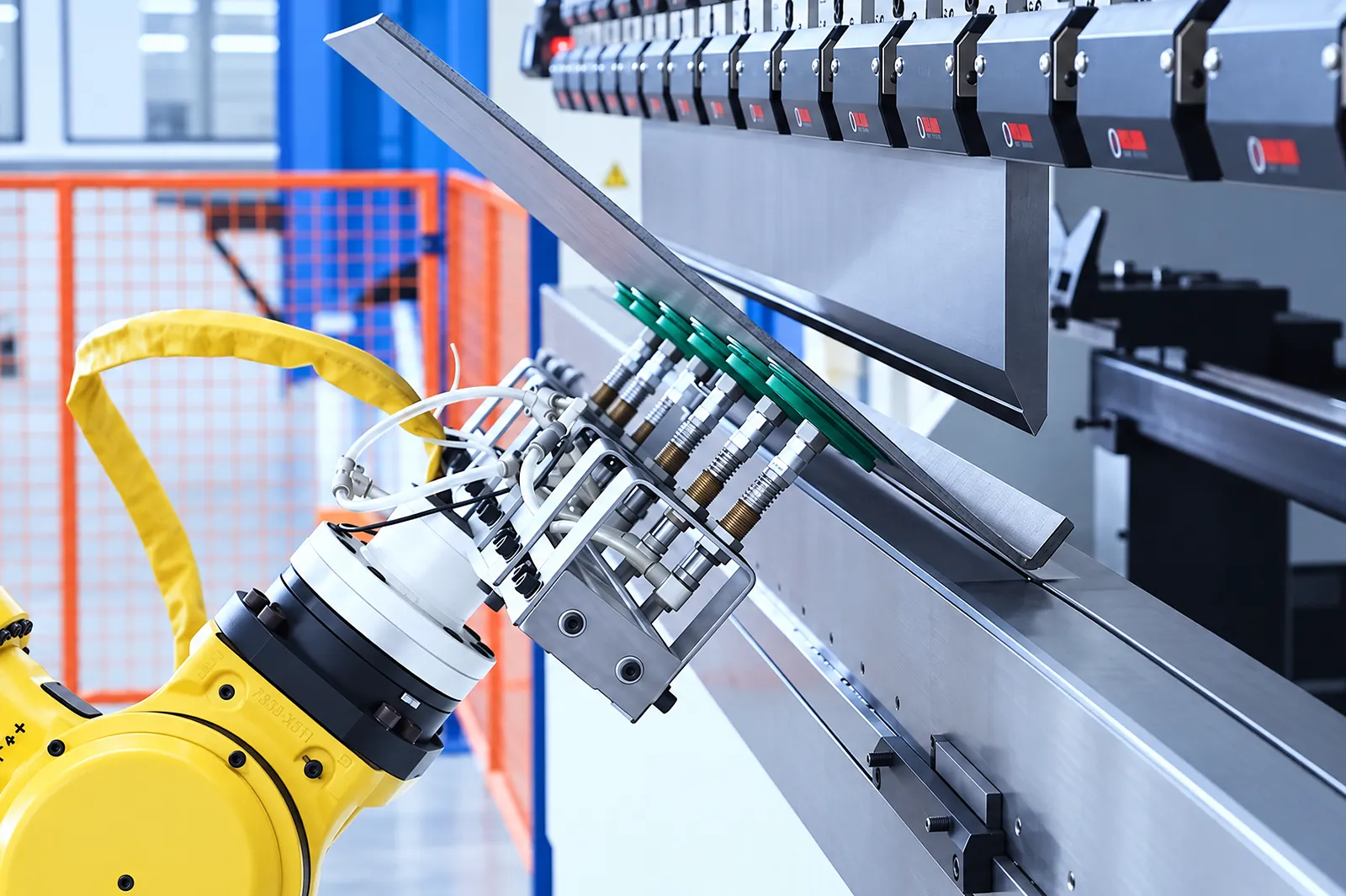
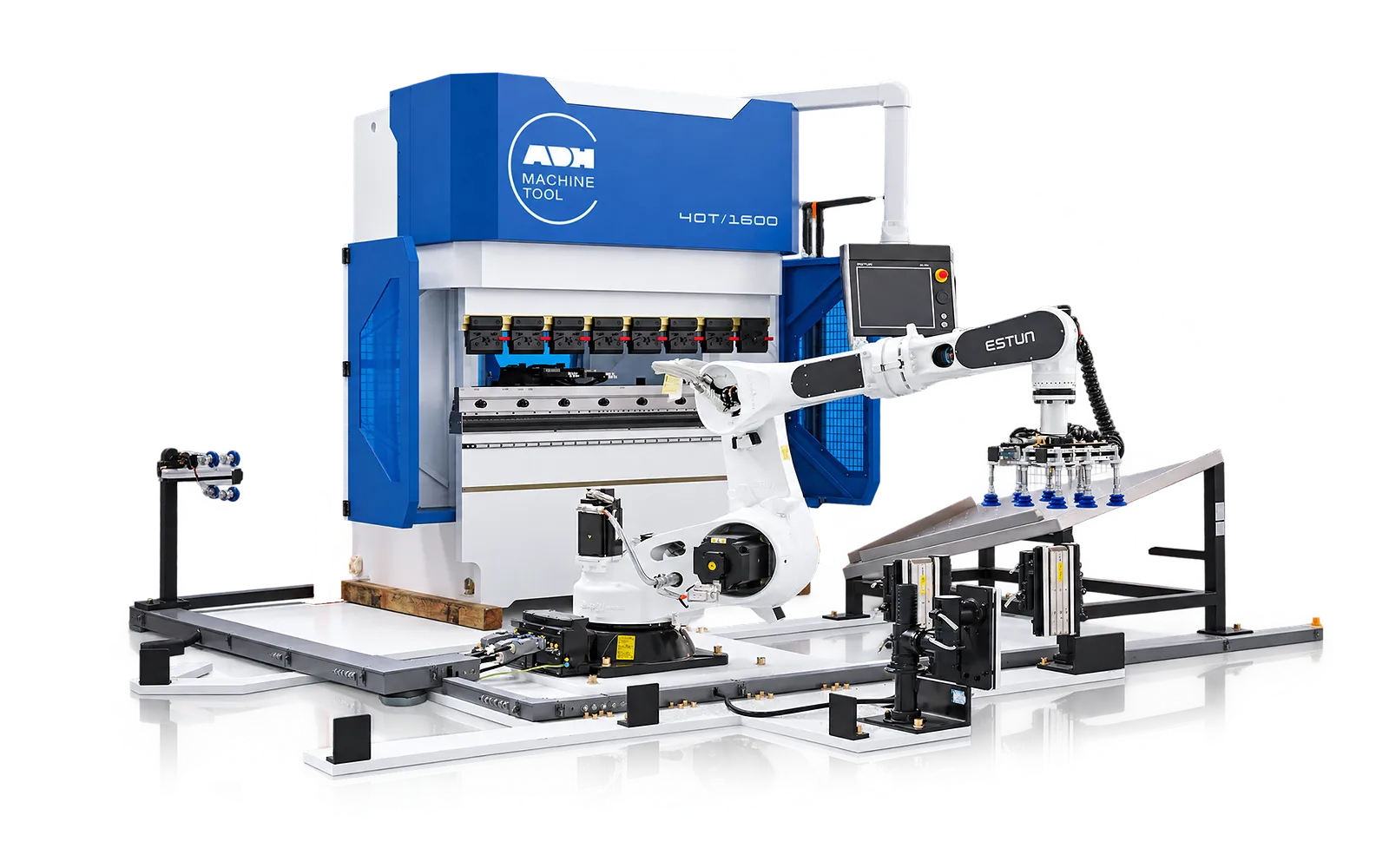
Robot following a sheet-metal part during bending

Bending and reorientation

Check every turn and regrip.

Map tooling access, rotations, support and finished-part placement through the full sequence.

Discuss This Configuration →
Details & specifications

A complete cycle includes regripping, tooling, operator interventions, unloading and recovery; motion speed alone does not establish throughput.

View product information →
Not sure which setup fits? Ask ADH →
Compare bending automation routes

Selection comparison

Compare bending automation routes

Choose the bending method and part-handling concept together. Start with drawings, blank presentation and the required finished-part flow.

Compare

Robotic press-brake cell

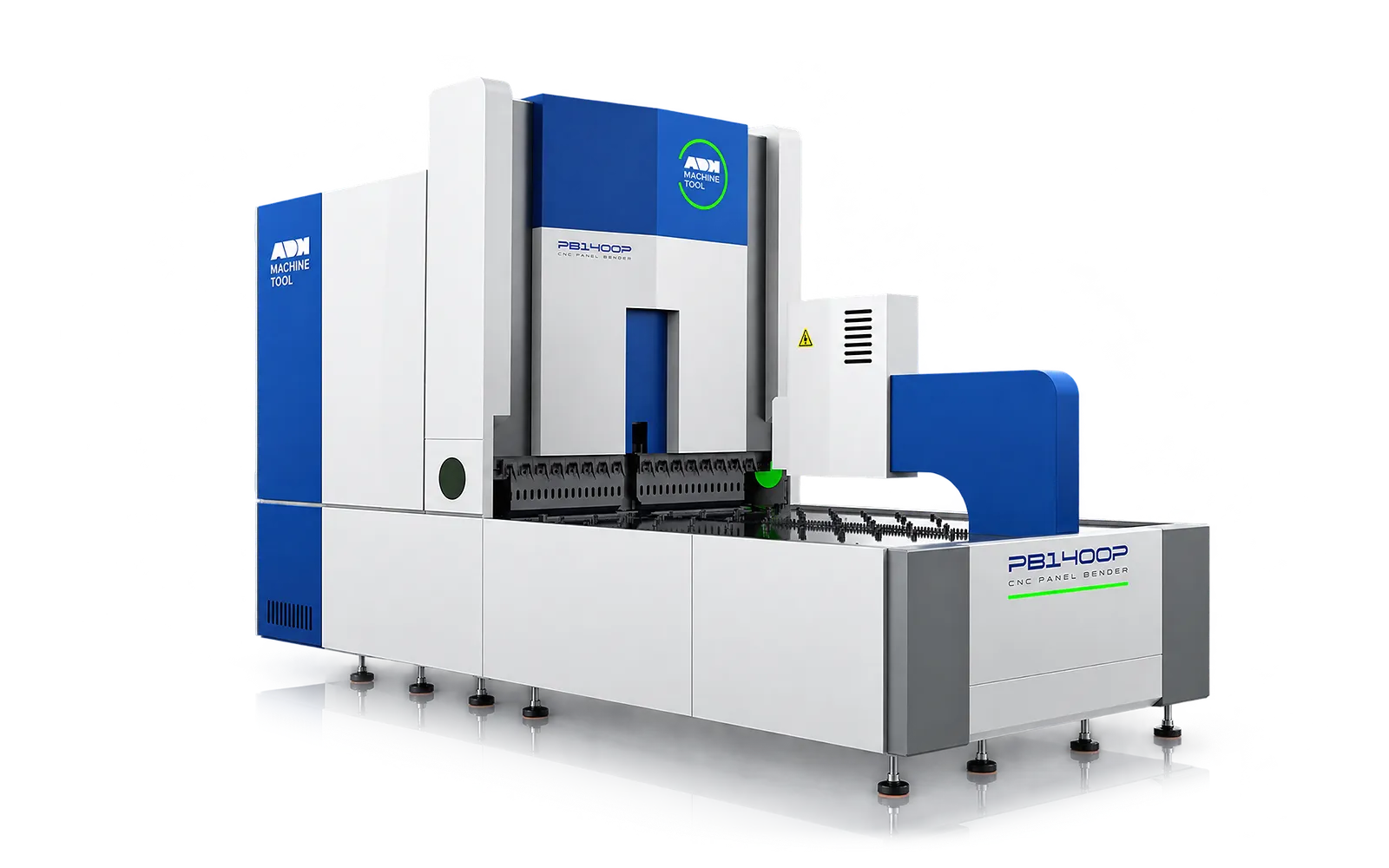
Panel bending

Engineered part handling

Core concept

Robotic press-brake cell

A robot coordinates gripping, press-brake bending, regripping and unloading.

Panel bending

The panel-bending system combines blank control with the programmed bend sequence.

Engineered part handling

Supports, handling stations and interfaces are engineered around large, heavy or connected-flow work.

Part-family inputs

Robotic press-brake cell

Grip zones, bend sequence, tooling access, centring and finished-part placement.

Panel bending

Blank geometry, press-arm handling, tool changes and part clearance.

Engineered part handling

Part weight and size, support points, movement envelope and downstream handoff.

Main comparison

Robotic press-brake cell

Review the complete robot and press-brake cycle on representative parts.

Panel bending

Compare PB-M and PB-A handling and tooling mechanisms.

Engineered part handling

Review handling, safeguards, access and recovery alongside the selected bending host.

Next step

Robotic press-brake cell

View robotic bending cells

Engineered part handling

Review large-part bending

For a connected cutting-and-bending line, define identification, buffering, interfaces and recovery responsibilities. Cell scope and host-machine data are separate.

Machine in operation

See robotic press brake bending in operation

Watch the 165T/3200 bending-cell demonstration, then review pickup, bend sequence, regripping and unloading for your own part family.

Watch on YouTube (opens in a new tab)

Your project starts here

Start with the parts you want to automate.

A practical cell discussion can define:

  • A bending-cell route assessed against your part family
  • Press brake, gripping, regripping and handling scope
  • Itemized pricing, interface ownership and acceptance scope

Describe typical parts, material, batch sizes and the manual tasks you want to automate. Drawings and layout details can follow.

Project enquiry

Discuss your project

Tell us what you want to make or improve. Technical details and drawings can follow.

  • Material, thickness and part size
  • Drawings and production volume
  • Location and project timing

Contact ADH

Start a machine enquiry

Name, email and a short description are enough to begin.

Contact Form

Cell acceptance

Make every handoff part of the test.

Use the normal production work and its difficult cases to define what the proposed cell must demonstrate.

Robot following a sheet-metal part during bending

Robot supporting a sheet-metal part during press-brake bending

Part-family coverage

Include typical and difficult parts, grip zones, materials and the actual batch mix.

The complete cycle

Review presentation, bending, regripping, placement and the manual tasks that remain.

Recovery and responsibility

Agree access, safeguards, exception handling, training and interface ownership.

Buying questions

Before you request a quote.

Answers to common machine-selection and quotation questions.

Which parts should we send first?

Choose representative drawings that cover normal production and difficult cases. Include material, thickness, bend sequence, grip zones, batch mix and finished-part placement.

Can the robot be selected by payload alone?

No. Reach, part geometry, gripper design, rotations, regrips, tooling clearance and the cell layout also matter. The complete process determines the robot and handling concept.

How should we assess throughput?

Review the complete cycle on representative work, including loading, referencing, bending, regripping, unloading and manual tasks. Do not use a single movement speed as the output guarantee.

What happens if production is interrupted?

The proposed cell should define detection, safe access, operator actions, part disposition and recovery for relevant exceptions, with clear responsibilities between equipment and interfaces.

Can delivery, installation and training be included?

Tell us your destination and support needs. Confirm service availability, delivery terms, installation responsibilities and included training in the quotation.

Do I need a complete technical specification to enquire?

No. Describe the work you need to do and add the details you know. Drawings and technical requirements can follow.

Get your bending cell proposal

Name, email and a short description are enough to begin.

Add country or phone (optional)

For delivery planning or a phone/WhatsApp reply.

ADH will review your parts, gripping and handling needs, then prepare a cell proposal and quote.

Which bending work do you want to automate?