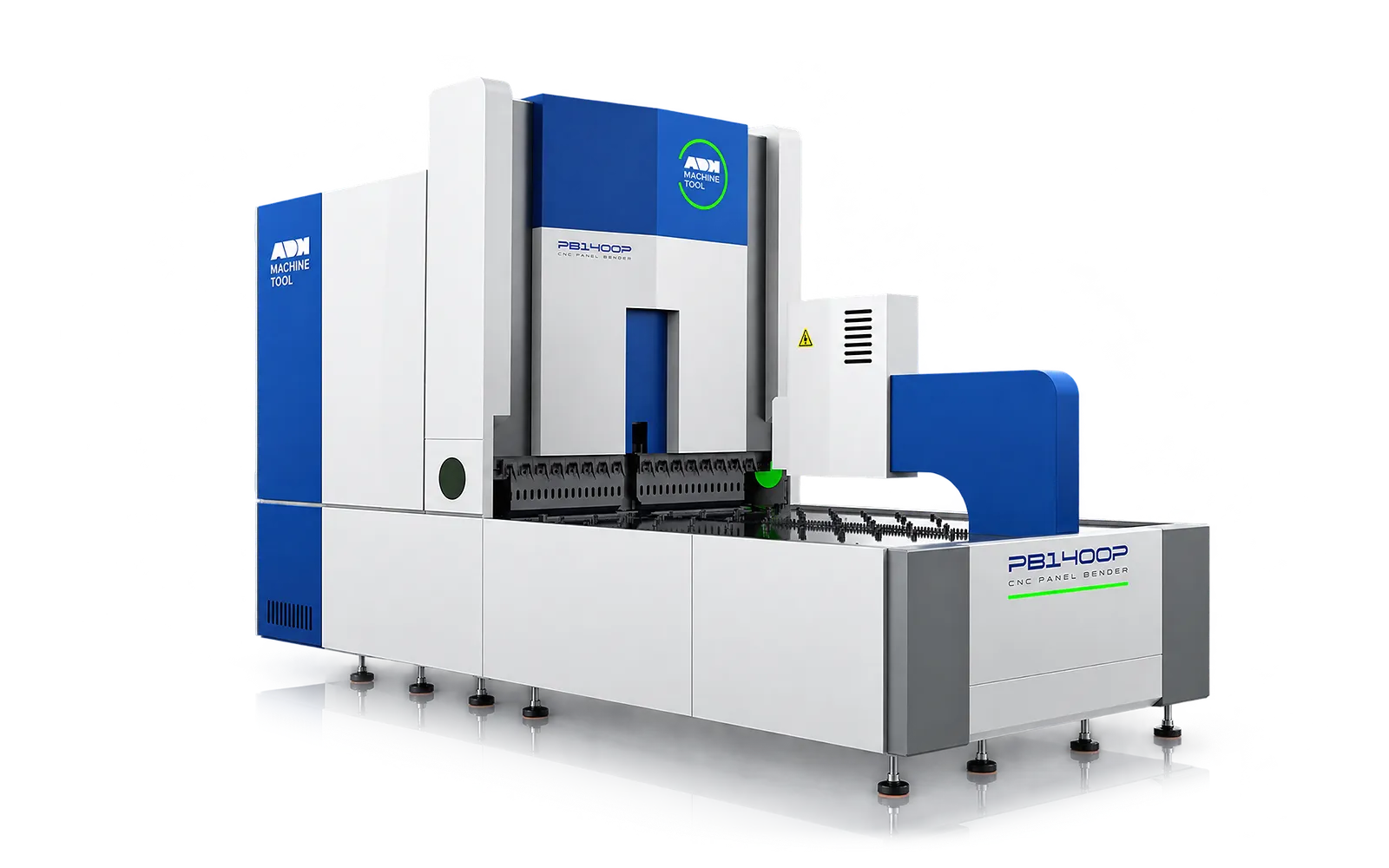
Panel bending automation

Panel Benders

Automated panel forming with press-arm clamping and a choice of manual or automatic tool change. Find the series that fits your parts.

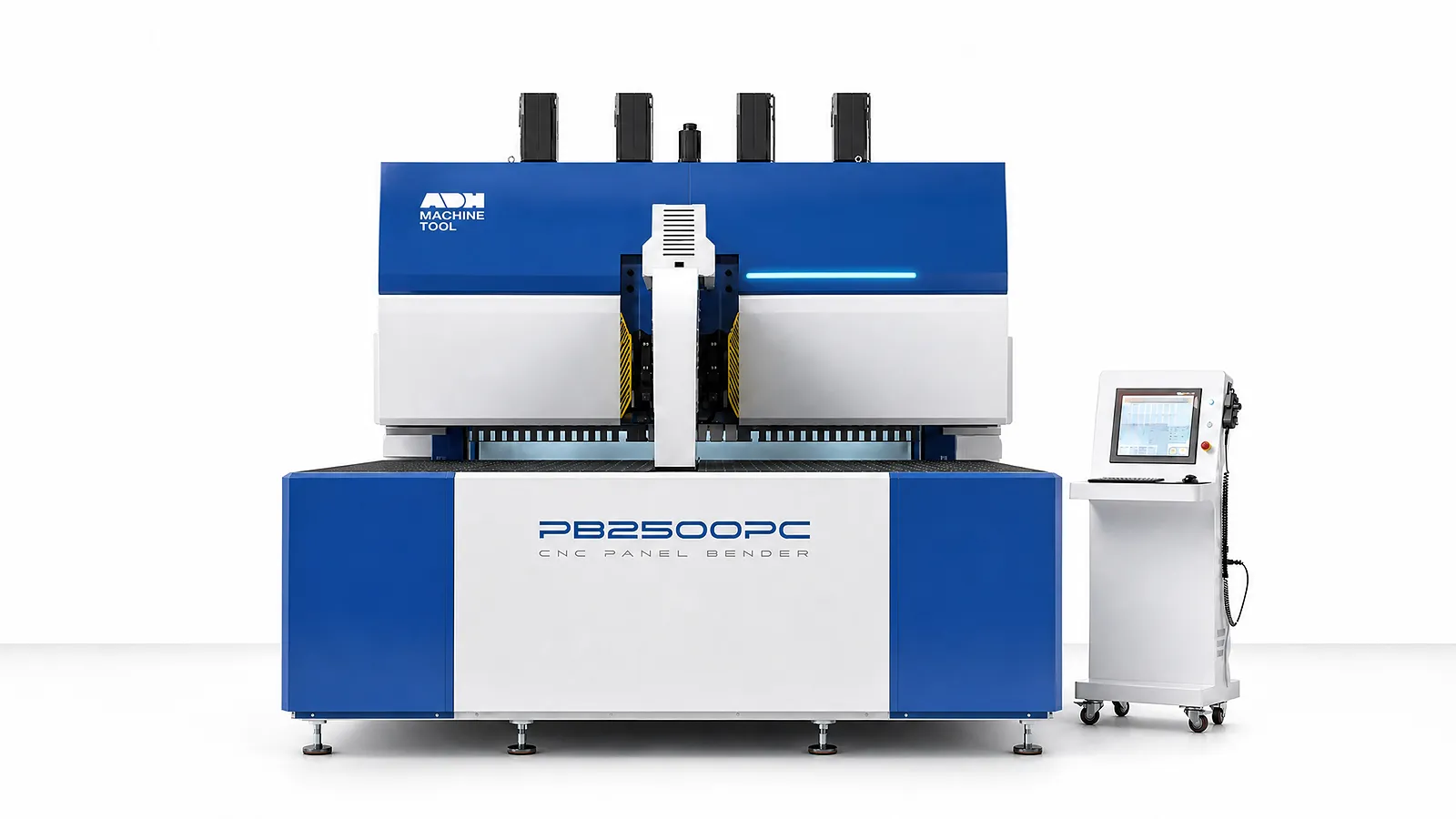
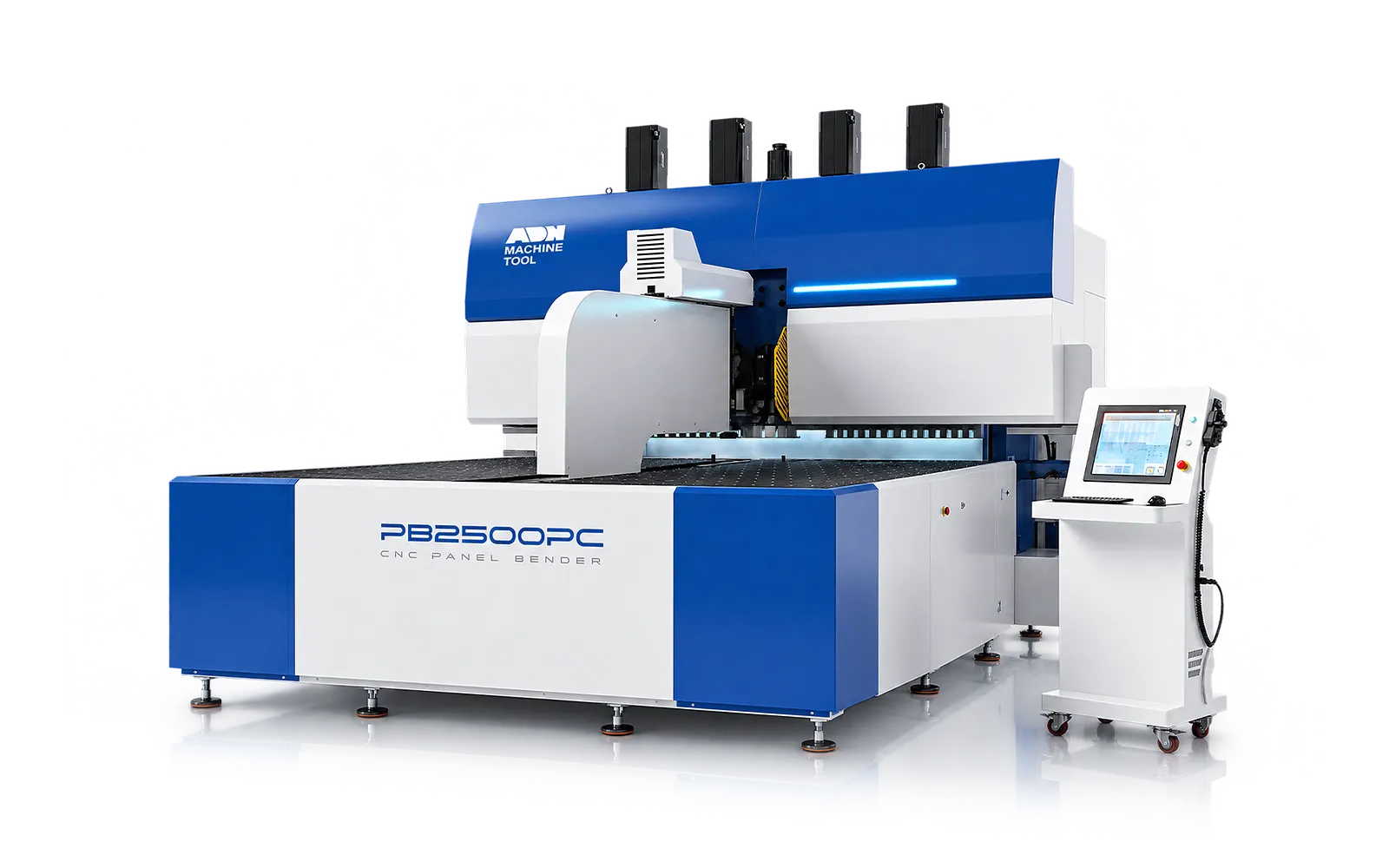
ADH panel bender with a front workpiece support table

Selection comparison

PB-M or PB-A?

Compare manual and automatic upper-tool changes, then check the handling and geometry requirements for your parts.

Compare

PB-M

PB-A

Main distinction

PB-M

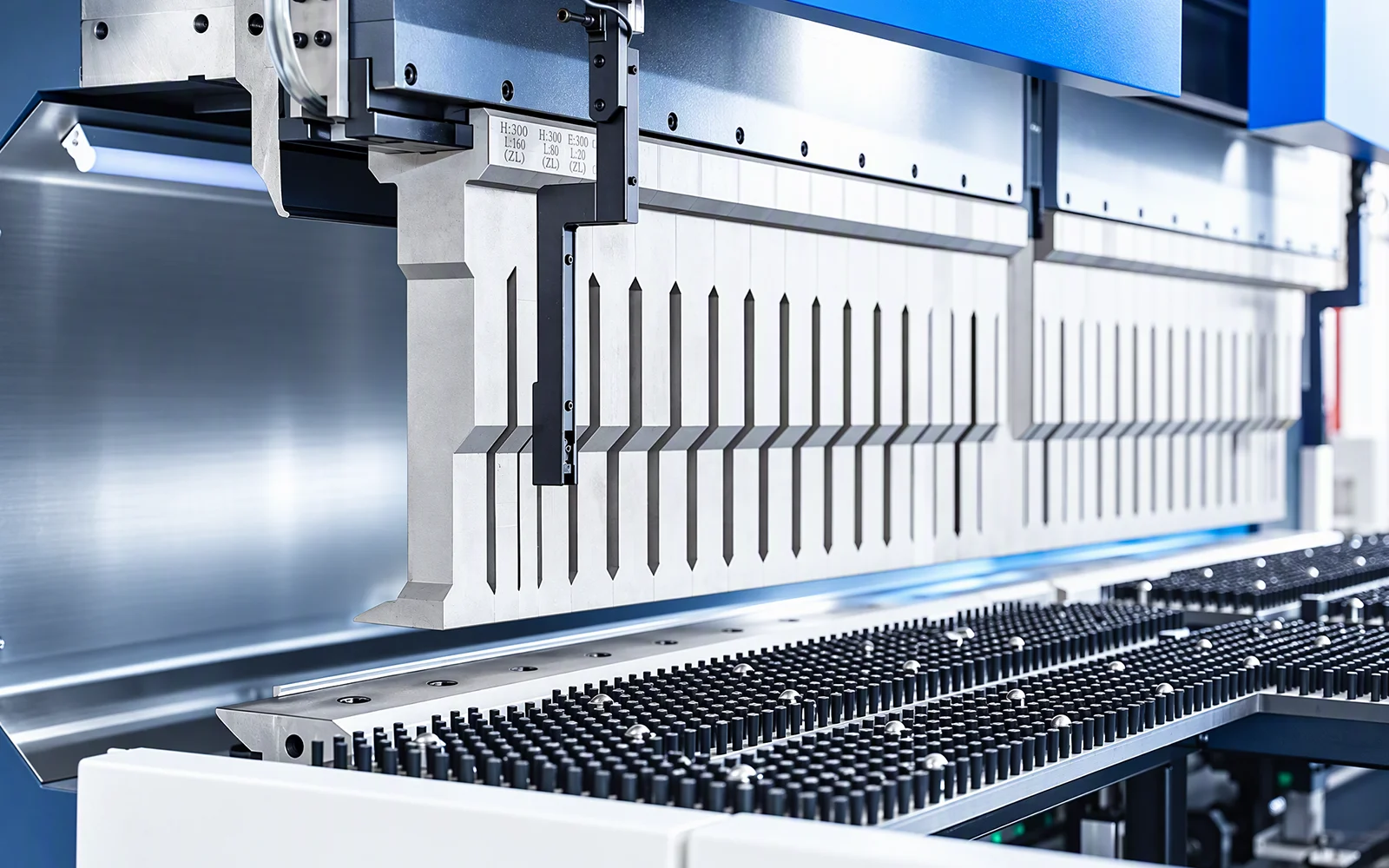
Press arms control the blank; segmented tools are changed manually.

PB-A

The program selects the segmented upper-tool length.

Start here when…

PB-M

Press-arm blank control and manual tool changes fit the part family.

PB-A

Frequent part changes can benefit from automatic upper-tool selection.

Check on your part

PB-M

Clamping access, part clearance, tool segments and changeover tasks.

PB-A

Required tool lengths, geometry, clearances and the programmed changeover.

Check material range, clamping, clearances and every bend against one model using representative parts.

Find your series

Two ways to automate panel bending

PB-M press-arm panel bender representative configuration

PB-M · Press-arm clamping

PB-M · Press-Arm Clamping

Press arms position the blank while manual segmented tools support the programmed bends.

PB-M and PB-MH models from 1600–4200 mm

Manual segmented-tool changeover

PB-A automatic tool-change panel bender

PB-A · Automatic tool change

PB-A · Automatic Tool Change

Program-selected upper tools reduce manual tooling changes across compatible part mixes.
Automatic upper-tool length selection

PB-A1630, A2190, A2610 and A3200

Applications

Panel bending applications: start with the blank

Panel geometry, surface condition and production mix help determine which clamping and tool-change configuration suits the work.

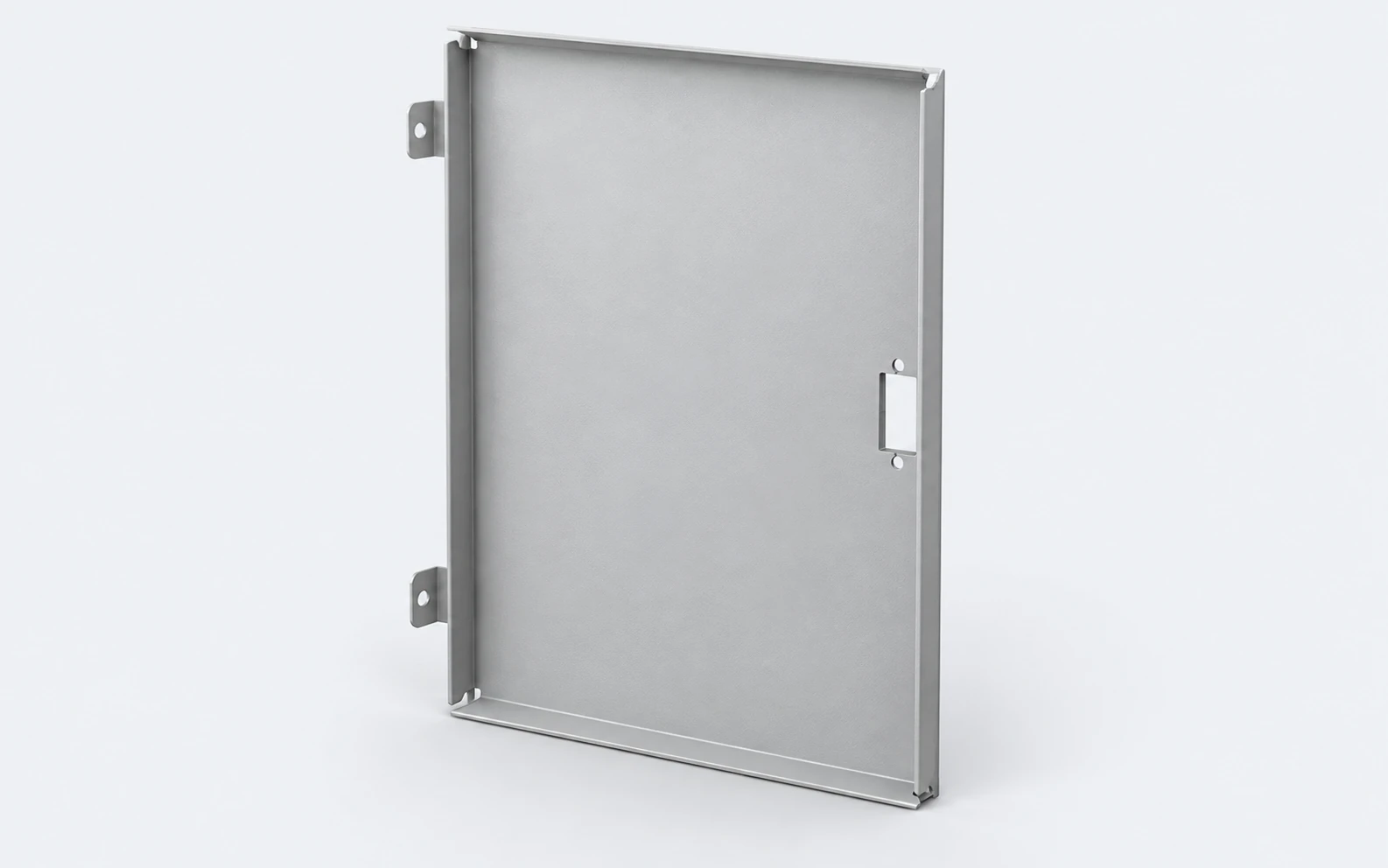
Illustration of a folded electrical enclosure door with return flanges, hinge tabs and a latch opening.

01

Cabinet doors and covers

Broad panels with multiple sides need a practical sequence for positioning and rotation. Compare how the blank is held throughout the bends.

Selection focus: flat area, pickup zones and finished height.

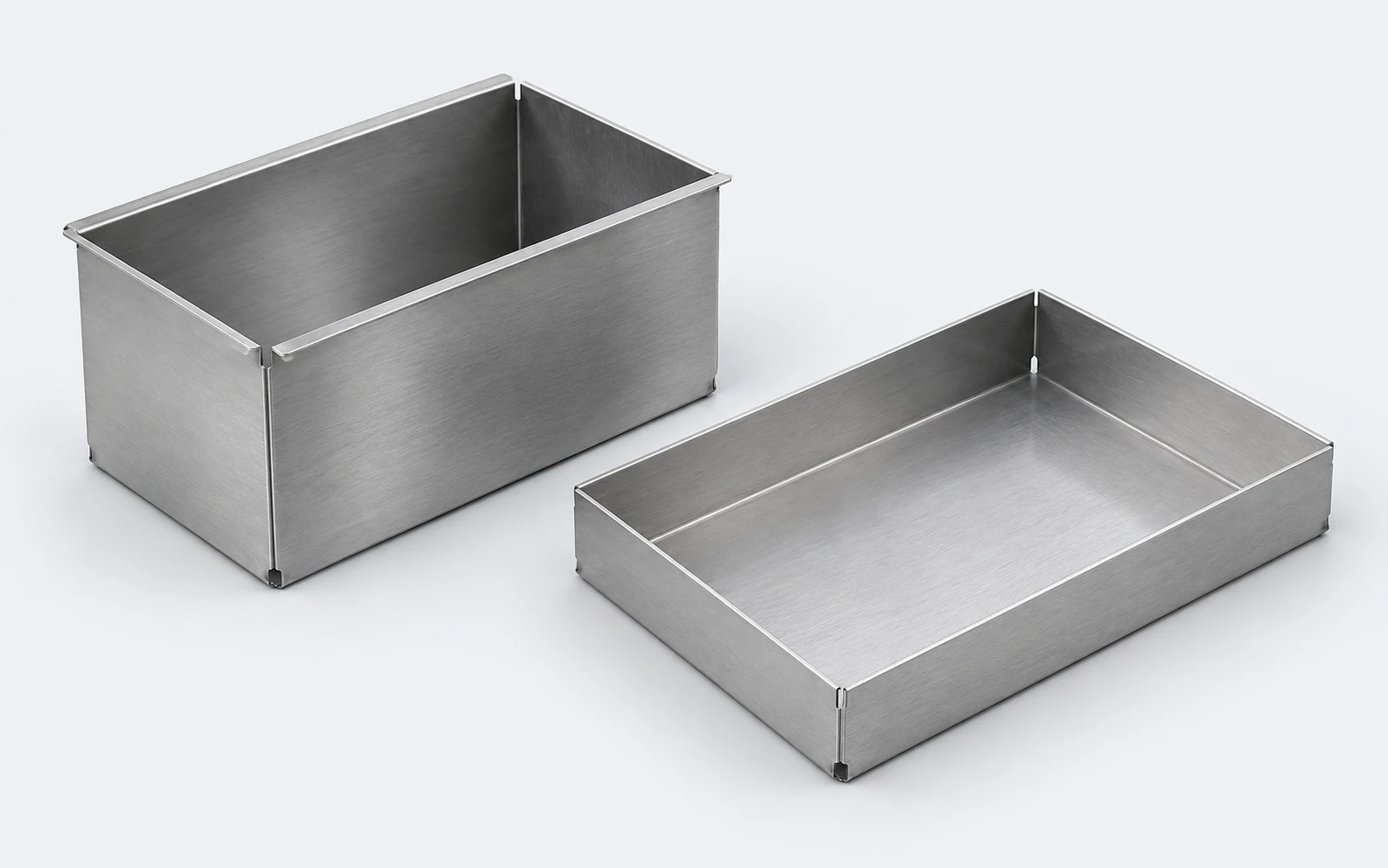
Illustration of an open-top folded utility box and shallow tray with visible corner reliefs.

02

Trays and enclosure panels

Returns, cut-outs and nearby features affect gripping, tool clearance and the final bend sequence. Evaluate the finished part as well as the flat blank.

Selection focus: clamp access, interference and bend order.

panel bender tooling

03

Changing panel families

When widths and bend sequences change frequently, review manual tool setup against program-selected tool changes on the intended product mix.

Selection focus: changeover work, tool inventory and program preparation.

Buying guide

Panel bender or press brake?

Both routes deserve consideration when a part can be made in more than one way. Compare the complete working cycle with your own drawings.

01

Part geometry

Review the flange heights, returns and access needed to complete every bend. A press brake may offer a different tooling route for work outside the panel-bending envelope.

02

Material handling

Check clamping areas, surface protection and part rotation. Surface finish and blank cut-outs can affect holding and handling.

03

Batch and changeover

Measure preparation, tooling changes and loading alongside forming time. Compare how each route handles the regular batch and the next different job.

Plan your project

From your part to the right machine

A clear brief makes it easier to compare options, prepare a quotation and plan the next step.

01 / YOUR APPLICATION

Start with the part

Share drawings, material, thickness and production volume. Tell us where the current process needs to improve.

02 / YOUR MACHINE

Compare the configuration

Review the machine, controls, tooling and handling together. Agree the sample parts and checks for your application.

03 / YOUR PRODUCTION

Plan the handover

Coordinate delivery, site preparation, installation and training, with the support your team will need in operation.

Your quotation or contract confirms the supplied equipment, delivery schedule, acceptance criteria, warranty and service scope.

Explore ADH manufacturing →

FAQs

Panel bender buying questions

Choose the handling and tooling mechanism around your blanks, finished panels and part mix.

How do I choose between PB-M and PB-A?

PB-M uses press-arm blank handling with manual segmented tooling. PB-A adds program-selected upper-tool change. Compare blank geometry, surface condition, bend sequence and changeover work to choose the configuration that suits your panel family.

Can a panel bender replace my press brake?

A panel bender can handle compatible panel work. Compare flange heights, returns, tool access and handling across your part range; some shapes may still require a press brake or another operation.

Compare press brake routes
Can perforated or coated sheets be processed?

Check the handling zones and visible surfaces first. Press-arm clamping needs usable gripping areas. Perforations, cut-outs and coatings can affect holding and surface protection, so review the flat pattern and a representative finished panel with the proposed configuration.

Can the machine form hems, return flanges and high sides?

Available shapes depend on the model, tooling and clearance through every bend. Provide the flat pattern and finished shape to check for interference.

Does automatic tool change eliminate all manual setup?

No. PB-A automates the included upper-tool selection and positioning functions. Programming, material supply, auxiliary tools and finished-part handling still need preparation.

Explore PB-A automatic tool change
How should I compare productivity and payback?

Compare the current and proposed process using the same part mix, batch pattern and operating hours. Include setup, tool changes, loading, forming, unloading, scrap and maintenance. Use measured full-cycle data and realistic utilisation instead of a single forming-speed or tool-change figure.

Can automated loading or unloading be added later?

Discuss the future handling plan while choosing the machine. Pickup zones, grippers, rotation, transfer positions, control interfaces and available space affect the integration scope. Record any future provisions in the proposal so a later project has a clear starting point.

Explore production-cell planning

Explore applications in your industry

See equipment options for the parts your industry produces.

Project enquiry

Discuss your project

Tell us what you want to make or improve. Technical details and drawings can follow.

  • Material, thickness and part size
  • Drawings and production volume
  • Location and project timing

Contact ADH

Start a machine enquiry

Name, email and a short description are enough to begin.

Contact Form